Handled With Care: Beneath the Surface
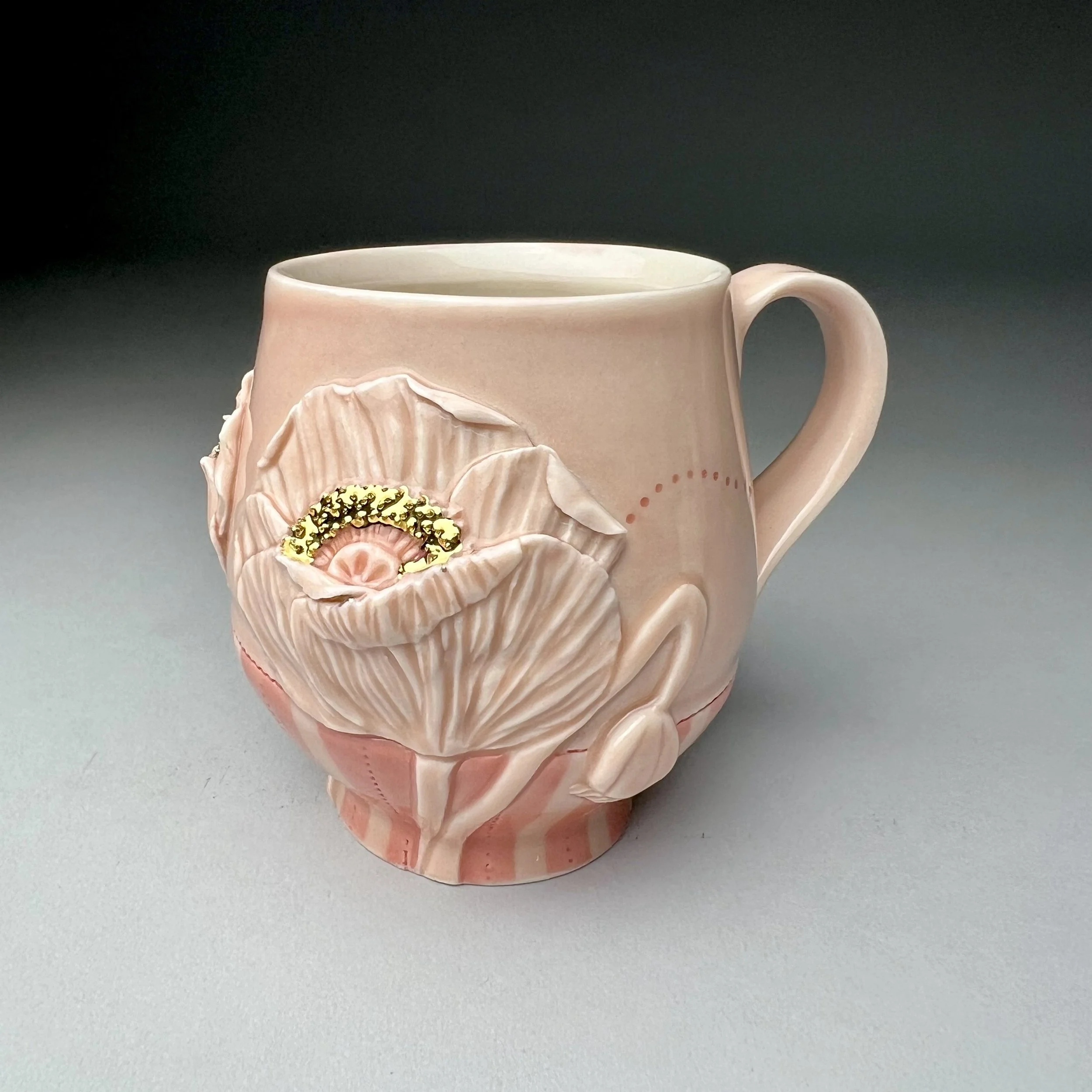
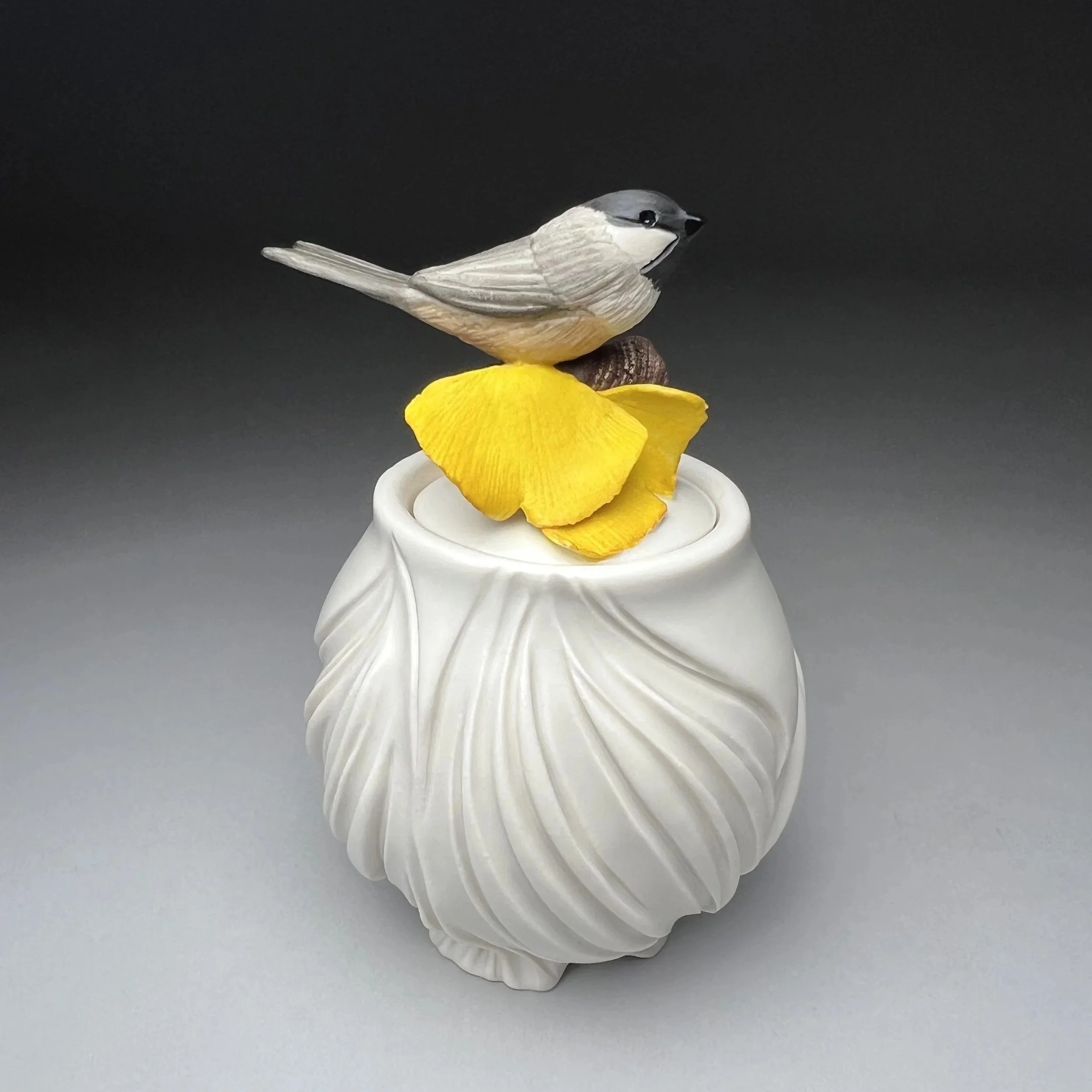
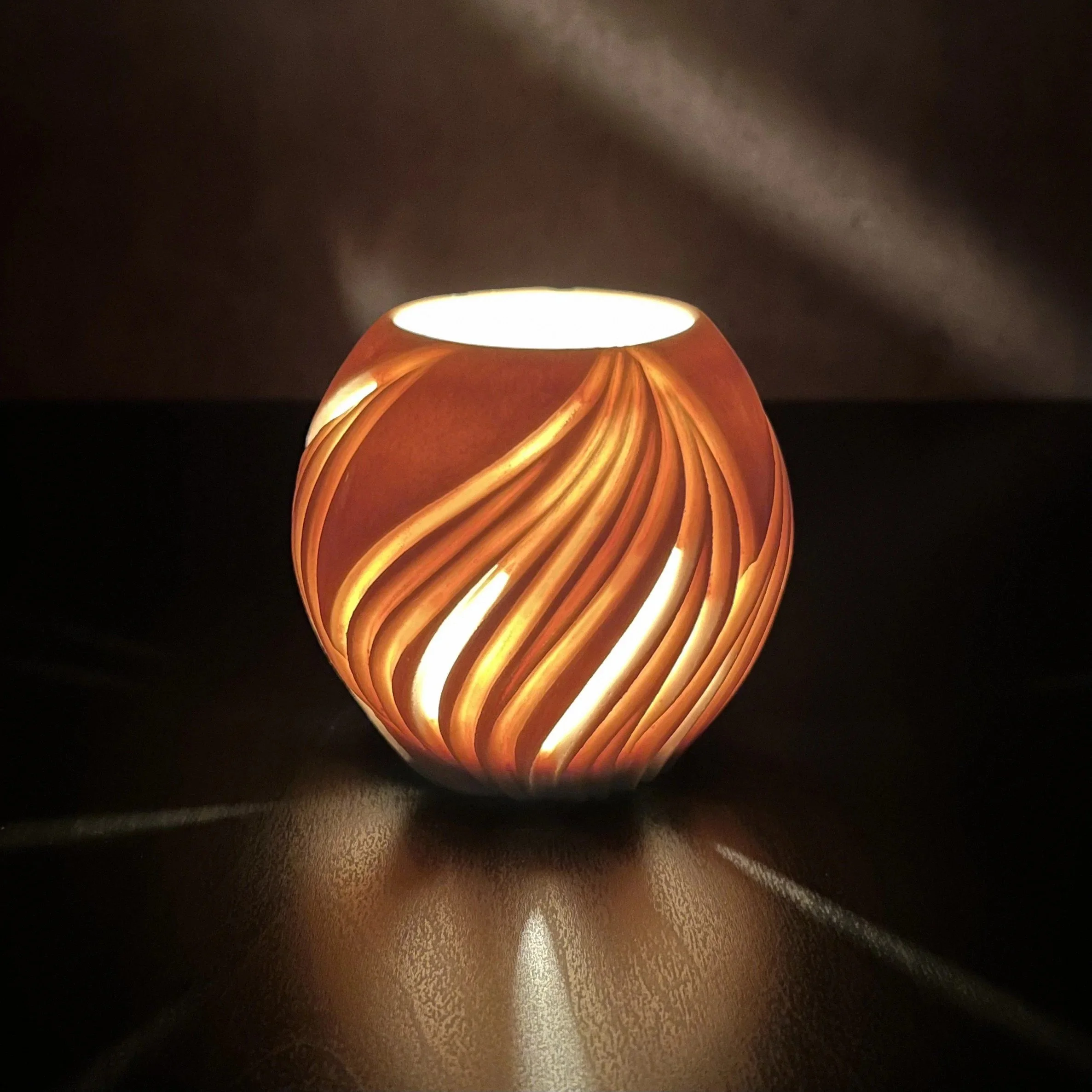
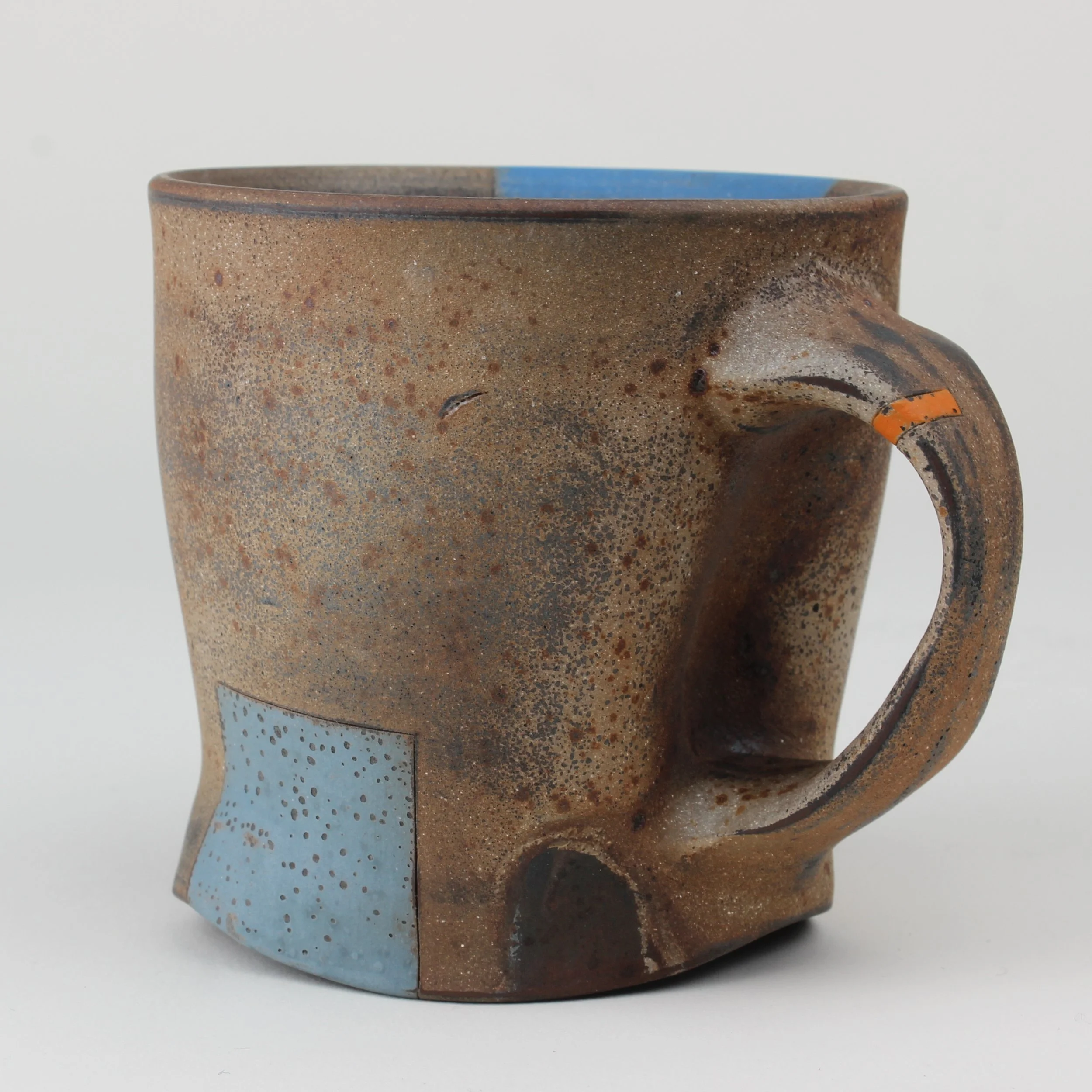
This year’s Functional Fall exhibition, Handled With Care, features small- to medium-scale works that revel in surface, decoration, and detail. Learn more about the work of exhibiting artists Noah Smith and Sharon Greenwood below.
Each fall, the Clay Art Center Gallery hosts an open-call exhibition focused solely on functional work, showcasing artists from all over the country and at all stages in their careers. Now in its fourth year, Functional Fall highlights the world of possibilities expressed through functional work. This year’s call focused on small- to medium-scale work that revels in surface design and detail, and invites viewers to slow down, engage with the tactile and visual decoration, and return repeatedly. We caught up with two of the artists represented in the exhibition, Noah Smith and Sharon Greenwood, to talk inspiration, process, next big things, and advice for new ceramicists.
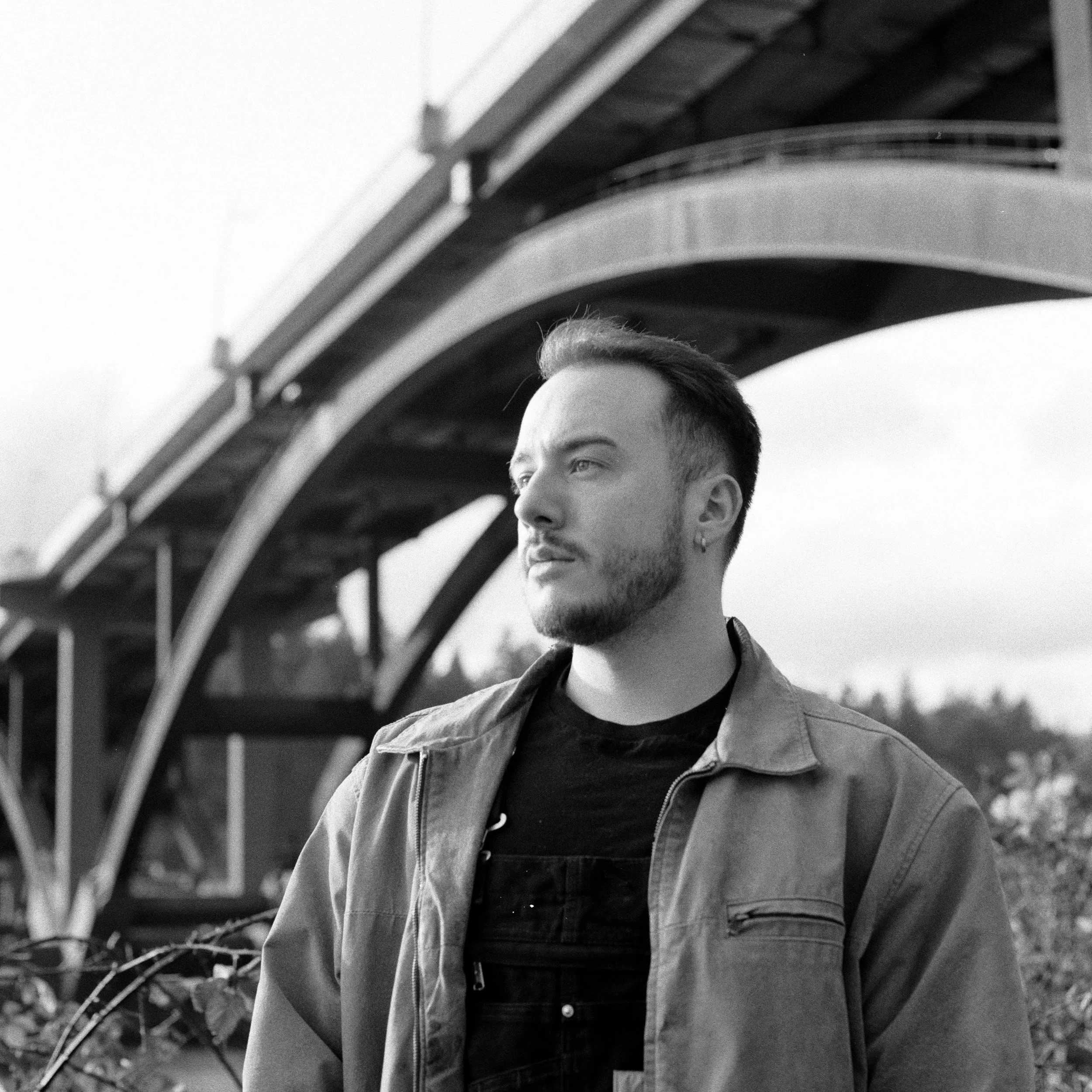
Noah Smith and the Science Behind the Surface
Q: What draws you to clay as a medium?
“My initial draw to clay was founded in the challenge and intrigue of working with a material that I felt I had no understanding of. The desire to want to know more and to connect with something that I knew had potential, I just had to learn how to talk to it. Today, clay has become the common language that I speak among my communities. It serves as a baseline of understanding and initiation for the groups I am a part of. It continues to challenge me and push me to want to understand more about the materials we use and how to best express them.”
Q: What is your process like as you approach the creation of a new piece?
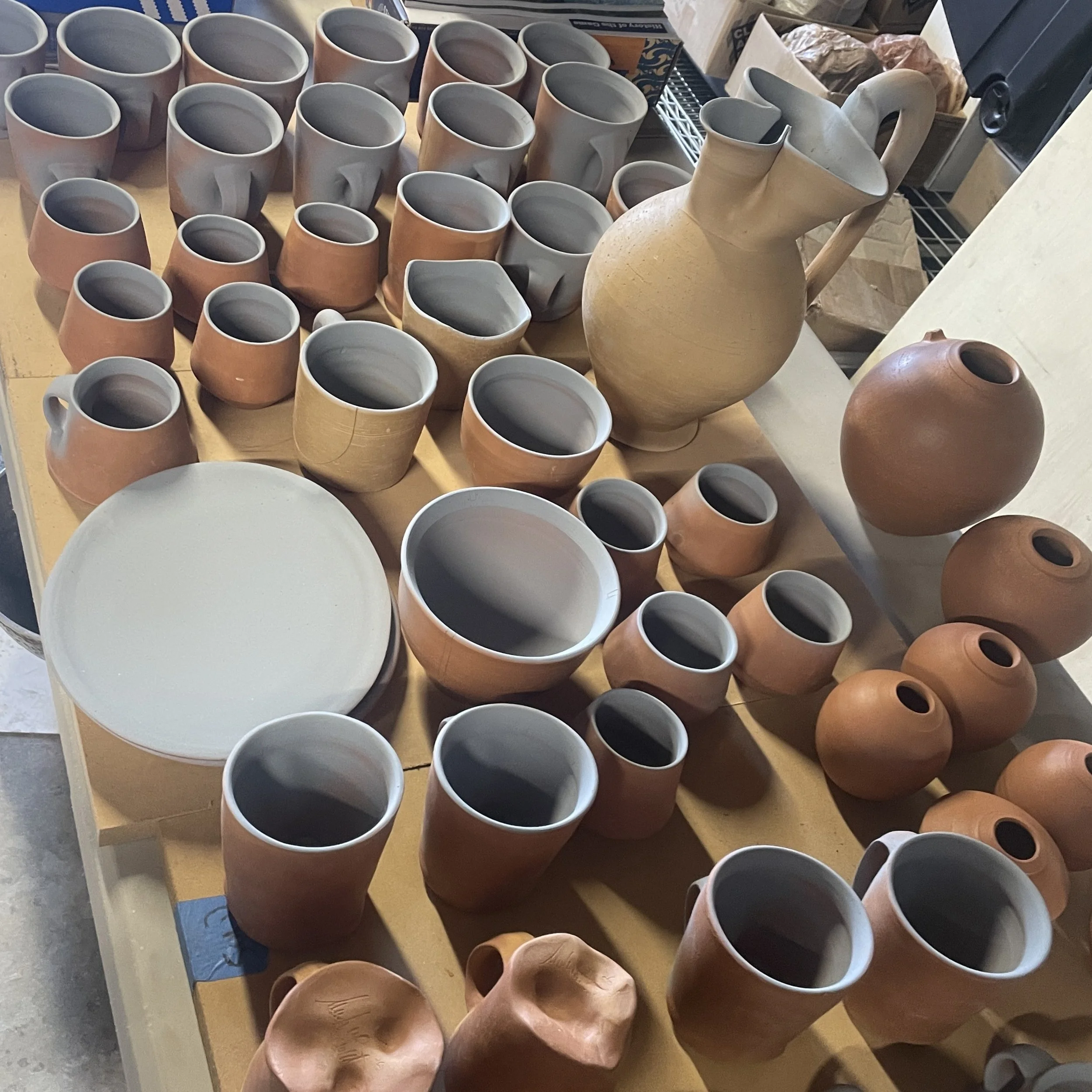
“Making is still something I don’t get to do every day. I often say it is still a hobby, given the other responsibilities I have in my studio and clay community. When I make time to create, I am always looking to learn more. My process often starts with an idea or hypothesis that I would like to learn more about (typically about cone 6 surface). From there I will create a set of forms that will give me the most information possible while still maintaining elements of function and design. At the end of the day, I still think of the majority of my work as tests, even if they are going out at sales or given as gifts.”
Q: Your work, and the work of Heirloom Studios, emphasizes the power of understanding the science at play in your materials and process. Can you share more about that mission, and why it's central to your work?
“Ceramics is in a golden age of accessibility. Commercial products, programmed electric kilns, an increase in community studios, and generations of ceramic knowledge at our fingertips online. This increase in access is amazing for the culture as a whole, allowing so many more voices and ideas to be shared. However, this also has created a separation from material understanding, and oftentimes can lead to a sameness in work being made. Teaching others to understand not only how to create with clay, but the identities of the materials they are using allows for a healthier and more respectful relationship to occur between artists and medium. This also tends to lead to more nuanced bodies of work that showcase individual voices through a better understanding of material expression. I hope to create self-sufficiency and confidence in those who I get to teach, acting as a stepping stone for them to find their voice in the ceramic world.”
Q: Do you have any new projects, collections, or techniques on the horizon that you can share more about?
“We have quite a few new projects going on in my studio and at Heirloom! We recently purchased a three-story brick building from 1911 in Portland, Oregon that we are in the process of converting into a large ceramics center. We plan to expand into offering advanced memberships, gas kiln access in the city, private artists spaces, and continue growing our residency program! I am personally excited to finally have a personal office and studio space to continue focusing on my work and experiments.
“I am currently curating my first gallery show in the city. Moving into a curatorial position has been a dream of mine for a long time, gathering artists and creating opportunities to showcase work! The show is called “Good People” and will be taking place early September at One Grand Gallery.
“Every year we have been able to keep growing and bring more artists into the community. I hope to keep this momentum going over the coming years with more artists opportunities, a possible gallery space, regional art tours, visiting artists workshops, and more!”

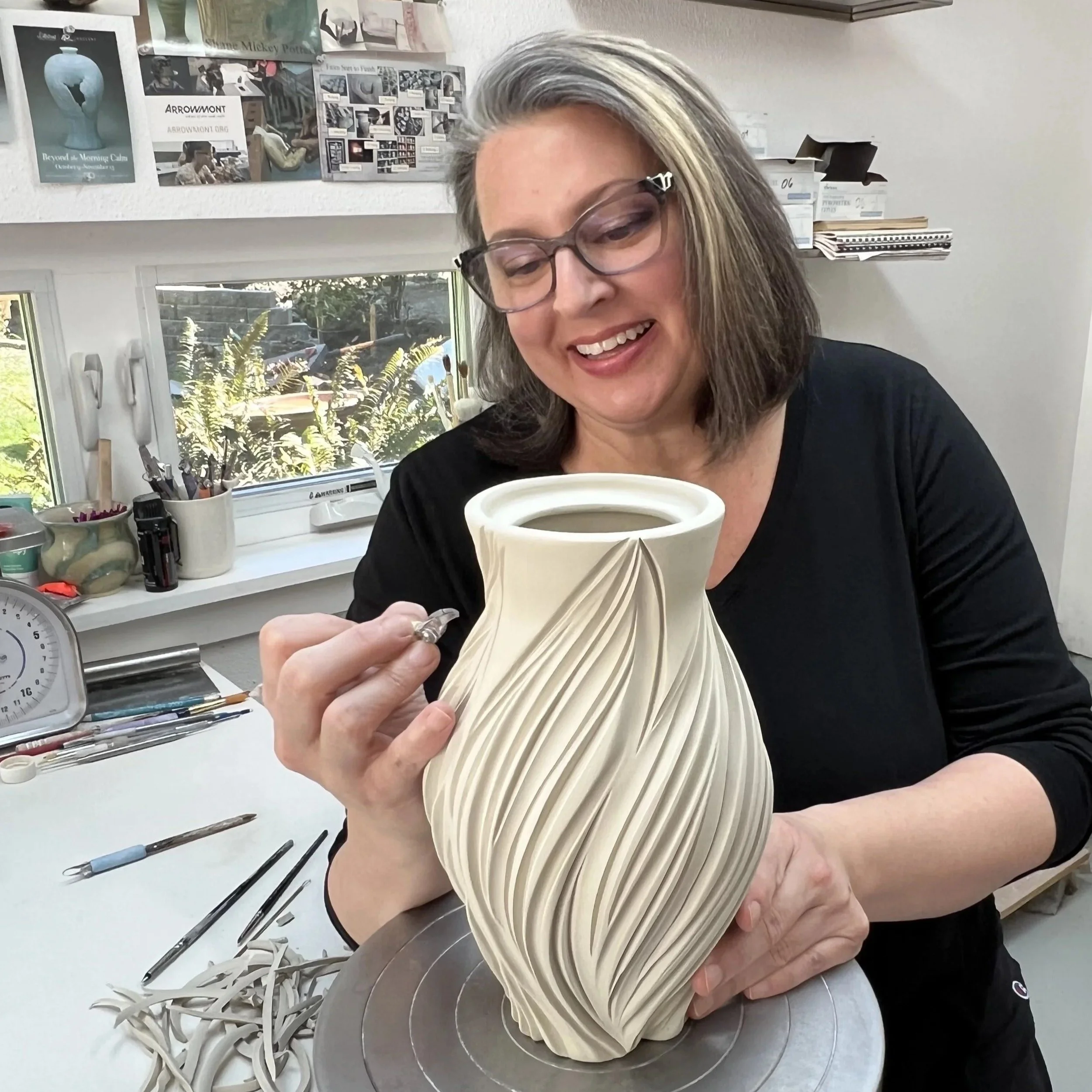
Sharon Greenwood’s Practice Makes Perfect
Q: What draws you to clay as a medium?
“I worked with wood and glass before trying clay and I was immediately hooked by its softness. It’s so flexible, versatile and forgiving. I also like putting something permanent into the world; the work I made in my prior advertising career never lasted.”
Q: What is your process like as you approach a piece? Given your background in graphic design, do you start with a design in mind?
“I only sketch if I’m working on a custom piece and the client wants to sign off on my direction. But I think about it A LOT and have a very clear image in my head of what I want to make. Next, I do a lot of testing, especially if there are colors and textures I’m unsure about. I start with test tiles that are very specific to the idea, then make a test piece and once I’m confident in my choices, I make a full line of work. I’m rarely surprised when I open the kiln because I’ve set my expectations well in advance!”
Q: What is your favorite part about creating functional work? Do you approach it differently from your sculptural work?
“It’s the same for both functional and sculptural! A lot of my work combines both and I love knowing that someone is enjoying my piece, whether it’s using it or admiring it.”
Q: What is one piece of advice that you would share with someone just starting out with clay?
“Just one? LOL - here’s a few…
Practice, practice, practice. Pottery is about familiarity with the material and investing time working with it.
Use your work! You won’t know if the piece you made is successful until you try it out for yourself.
Buy work from a professional you admire and reverse engineer how they made it and what makes it successful (or not).
Keep learning. If there’s an artist you admire, try to take a workshop from them. Feeling stuck? Learn a new technique that breaks you out of your rut.”