Strengthening Connections: Creative Forces Community Engagement Grant Convening
At the recent Creative Forces grant convening in Washington D.C., arts organizations from across the country shared strategies for effectively serving the veteran community.
This past week, Community Arts & Offsite Programs Manager Brian Barry traveled to Washington D.C. to take part in a grant convening for the recipients of the Creative Forces Community Engagement grant. This grant, which is part of the Creative Forces®: NEA Military Healing Arts Network, supports community-based arts projects that aim to address the particular experiences, challenges, and strengths of our military communities. While there, Brian had the opportunity to connect with other arts administrators and artists who are providing arts enrichment of all kinds for veterans in their communities, and discuss the similar challenges that arise when implementing this programming.
Q: What was a typical day like at the conference?
Each morning started with breakfast, where we got to meet and chat with people from across the country who are doing similar work providing arts enrichment to veterans. Afterwards, we participated in workshops, panels, and group discussions presented by other grantee organizations that covered different aspects of working with the veteran community and creating accessible arts programming. My favorites were a trauma-informed practices workshop led by Roman Baca of Exit 12 Dance Company in New York, and a Shakespeare workshop led by Amy Attaway of Kentucky Shakespeare. Both workshops highlighted effective strategies for engaging veterans and creating spaces rooted in intentionality, inclusivity, and agency.
Q: Can you tell us about some of the other people you met while you were there?
I met some really awesome people doing really amazing work! Charlie Cossette and Matthew Rosky help run the Iron Range Forge Building project at 23rd Veteran, an organization in Minnesota whose mission is to "provide happier, healthier lives for veterans living with trauma." Participants in their Iron Range Forge Building project attend a three-day intensive workshop at Minnesota North College-Eveleth Campus where they build a propane blacksmithing forge to take home with them after the workshop!
I also got the opportunity to meet Josie Bockelman, Deputy Director, and Bradford Davis, Resident Artist, at the Clay Studio in Philadelphia. It was really enlightening to see the ways the Clay Studio has implemented clay classes for veterans in their area. We were able to discuss challenges specific to the medium of clay and share ideas. Bradford recently created the Veterans Ceramic Arts Network to connect veterans with ceramic resources across the country, and I'm excited to get more involved with it!
Q: What did participating in the conference with this group of people mean to you?
The conference was a really unique opportunity--not just for me, but for all the grantee organizations--to connect with people who do similar work and are in similar roles at arts organizations throughout the country. It's rare to have so many people gathered who all share the same goal--providing awesome arts programming to veterans in their community. I feel honored to have been included in such a meaningful and rewarding experience.
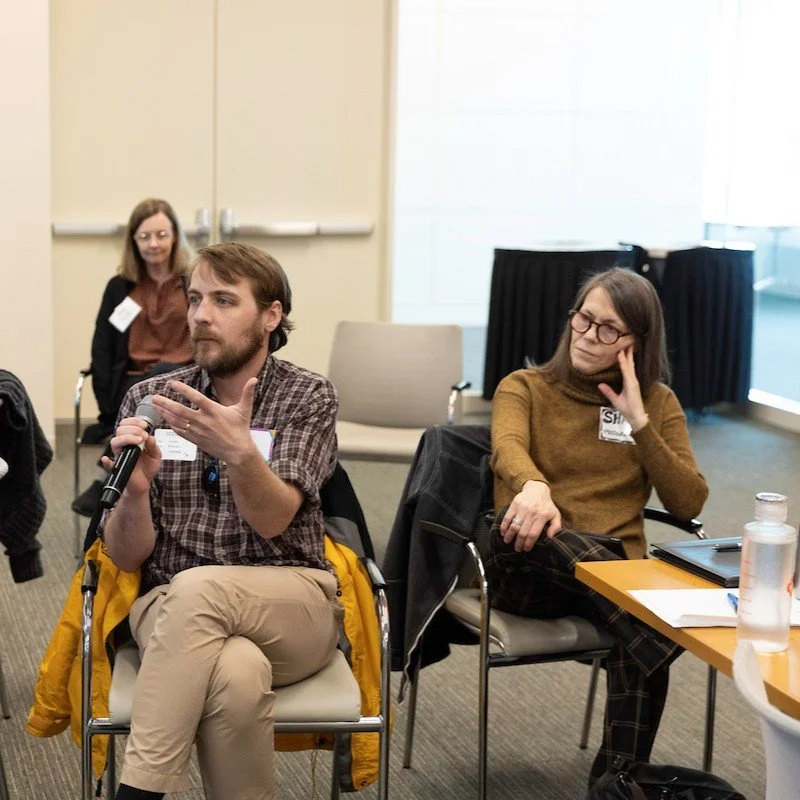
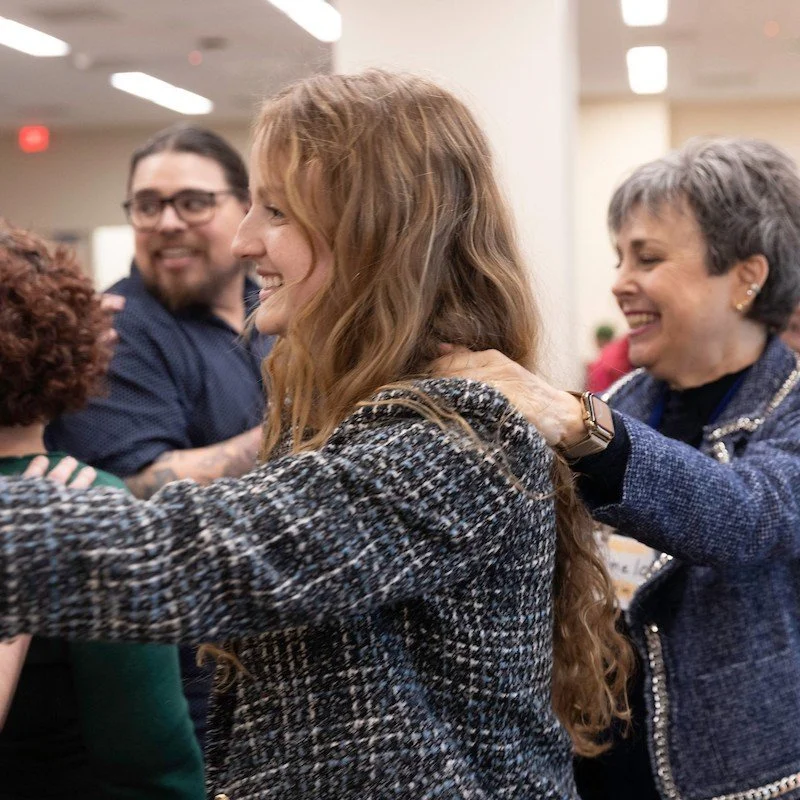
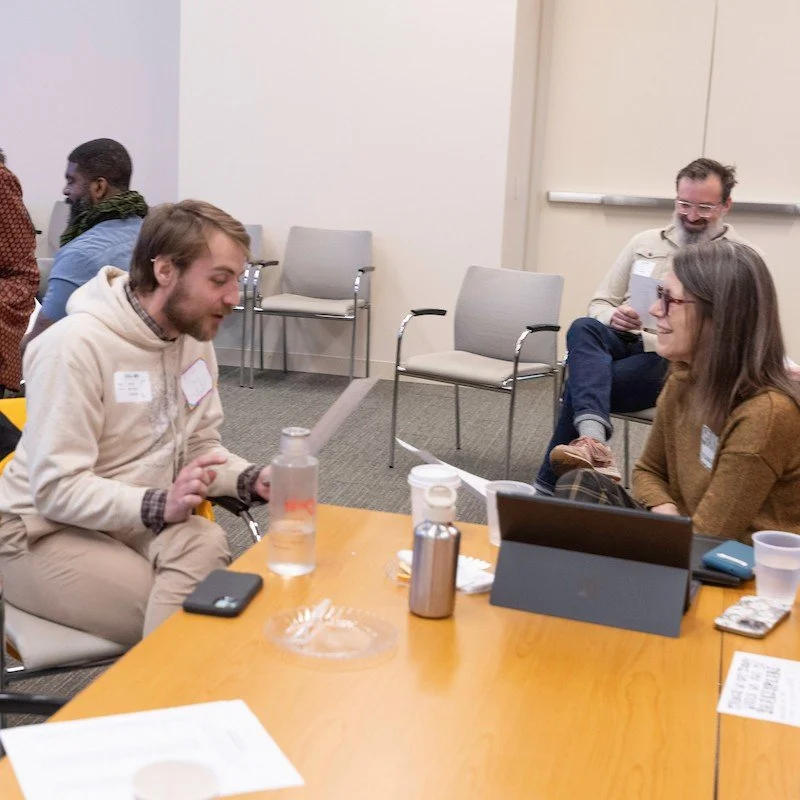
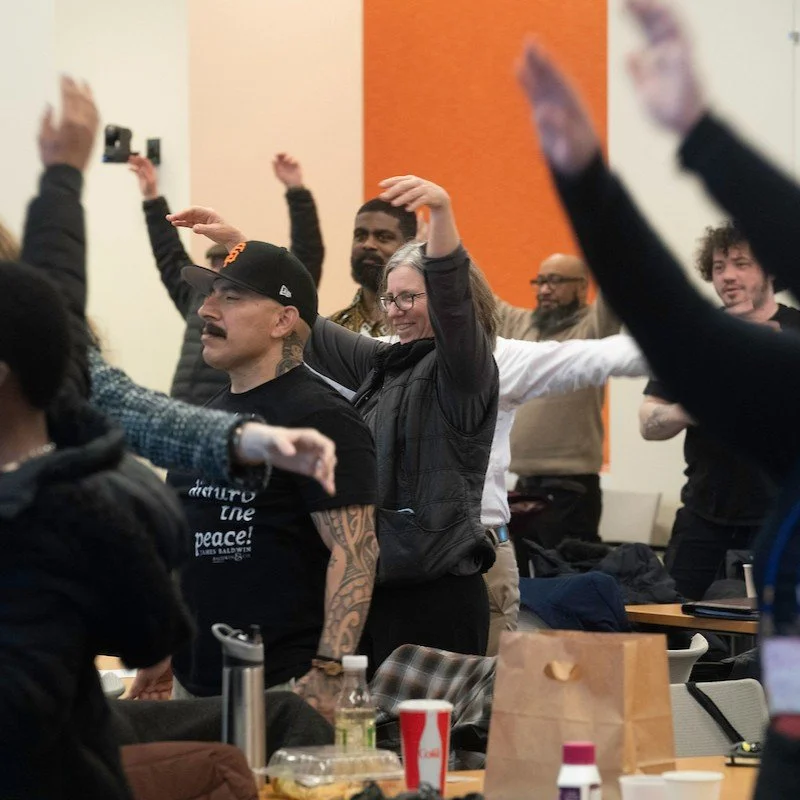
Photos by Brendan Bannon courtesy of Mid-America Arts Alliance.
Q: Could you share three things that you learned while you were there?
The thing that sticks out most to me is the common goal grantee organizations share: community building. Regardless of the medium, each grantee organization uses arts practices as the vehicle for nurturing connections between veterans. Thinking about the Clay for Vets program at Clay Art Center, I care less about a student's ability to make a perfect pinch pot or coil-build and more about the veteran students leaving the class feeling more resilient, empowered, and connected to one another.
Another thing that was reinforced during the grant convening was the importance of trauma-informed practices. The last thing we want to do is re-traumatize someone, tokenize them, or alienate them. How we structure and manage our classes can directly impact feelings of retraumatization and othering. When implementing art projects focused on past experiences that may be traumatizing, Armed Services Arts Partnership, one of the grantee organizations, said, "Write from your scars, not your wounds."
One recurring theme that came up during the conference is the importance of food as a force to bring people together. Humans have been coming together over food for thousands of years. Sharing a meal with others can help create stronger social bonds and feelings of connectedness. I'd love to incorporate some kind of meal or a classic Clay Art Center tea time into our ongoing clay classes for veterans.
Q: How will what you learned affect your teaching practice?
I am coming back to Clay Art Center with renewed inspiration and drive, energized by the amazing work being done across the country to provide arts enrichment to veterans. I will be taking strategies and tips back into the classroom to create spaces that invite connection, community, and collaboration. I also brainstormed some great ideas for the specific programming for veterans we're doing here at Clay Art Center, so stay tuned for more updates!
Q: Did you do anything else fun while you were in D.C.?
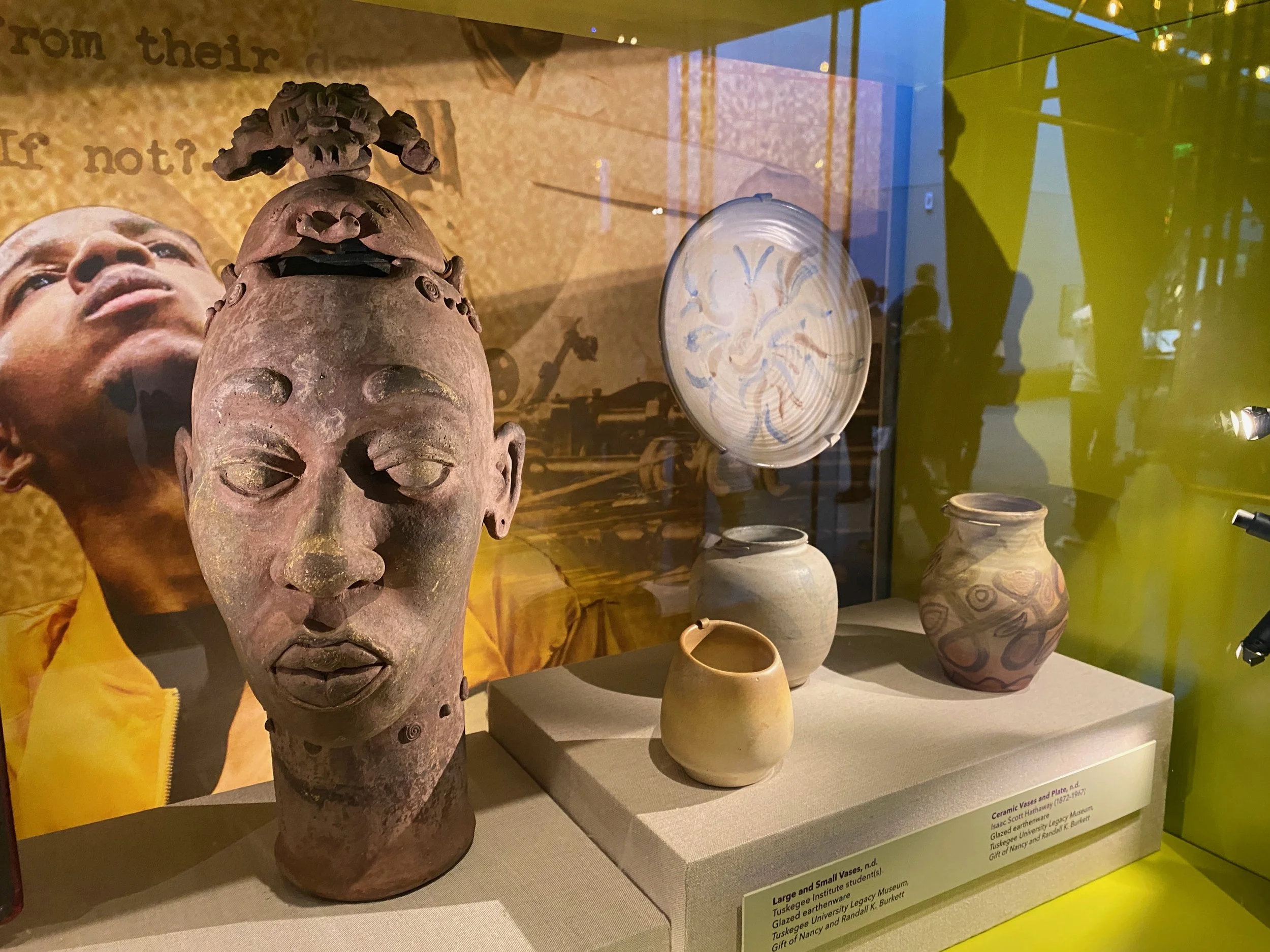
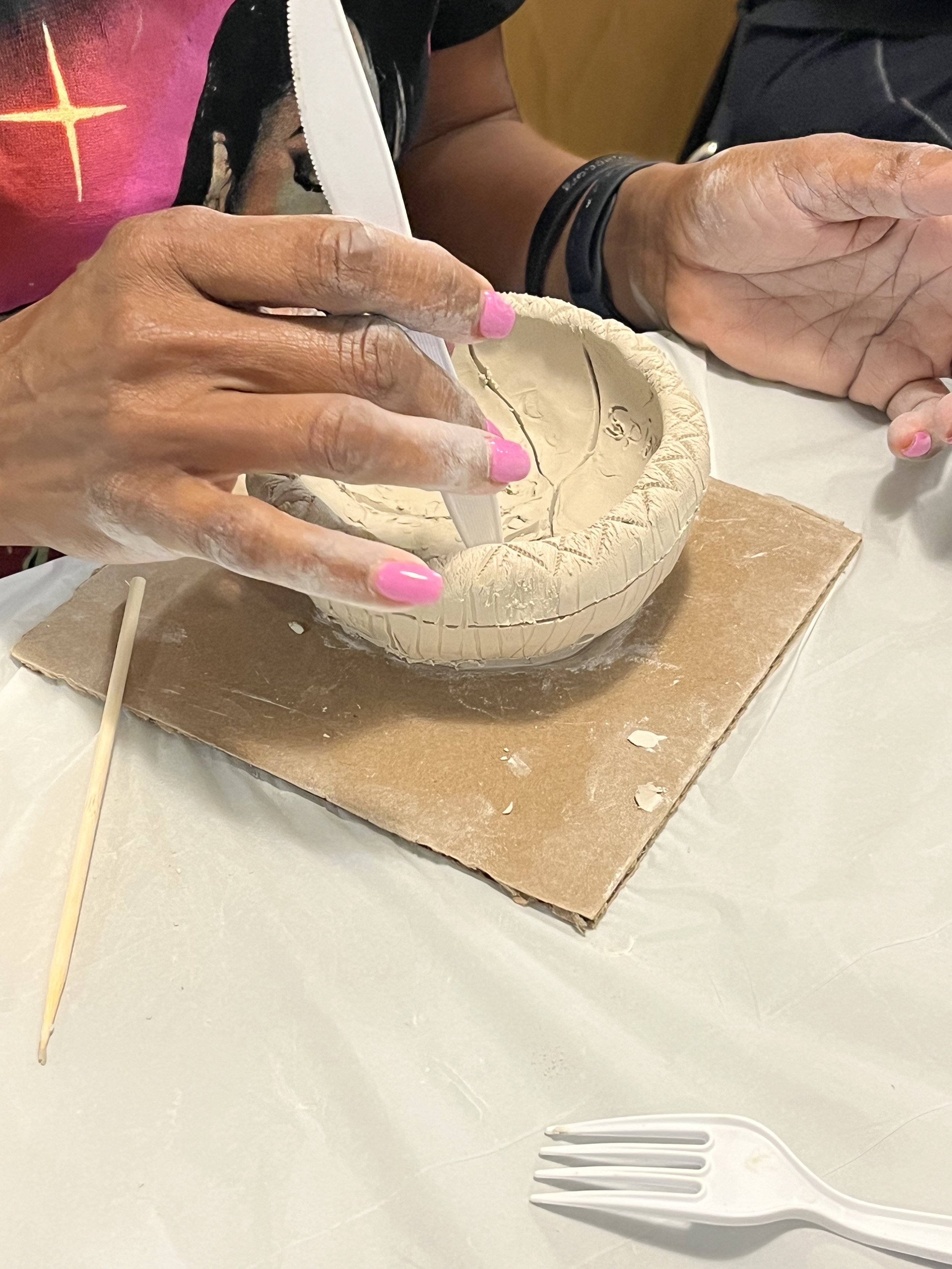
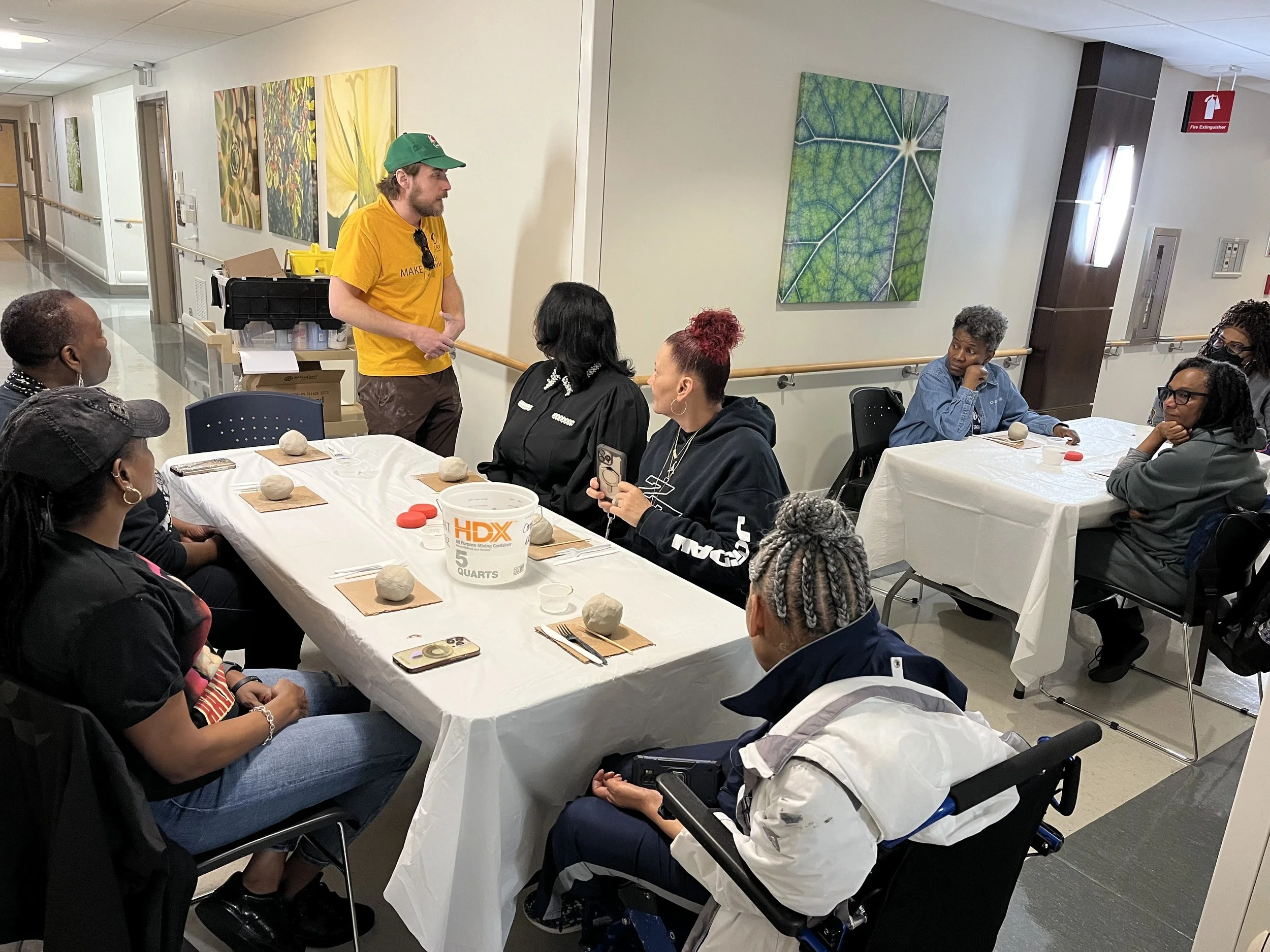
I got to visit the National Museum of African American History and Culture and explore their amazing ceramics collection! I was also connected with Dr. Robin Peck, the Women’s Health Medical Director at the VA in Washington, DC and the sister of Clay Art Center's executive director, Emily Peck. With her help, we were able to offer a free, two-hour handbuilding workshop focused on basic pinch pot techniques to women veterans in D.C. We have coordinated with a DC-based artist to fire the pieces and return them to participants. Thanks, Robin, for all your help with our clay classes for veterans!