Around The World In Clay Students Process Wild Clay
The high school students in the Around The World In Clay program learned all about what it takes to get clay to the wedging table - from digging, to processing, to testing.
This past year, the Community Arts team gave the Around The World In Clay high school students the clay version of the farm-to-table experience. Over the course of five weeks, the class processed local wild clay, taking it from debris-filled mud to workable clay that they could use in handbuilding and wheel-throwing projects, culminating in a raku firing with their wild clay pieces. Below, you can learn more about their experiences and what it takes to bring clay from the earth to a wheel near you.
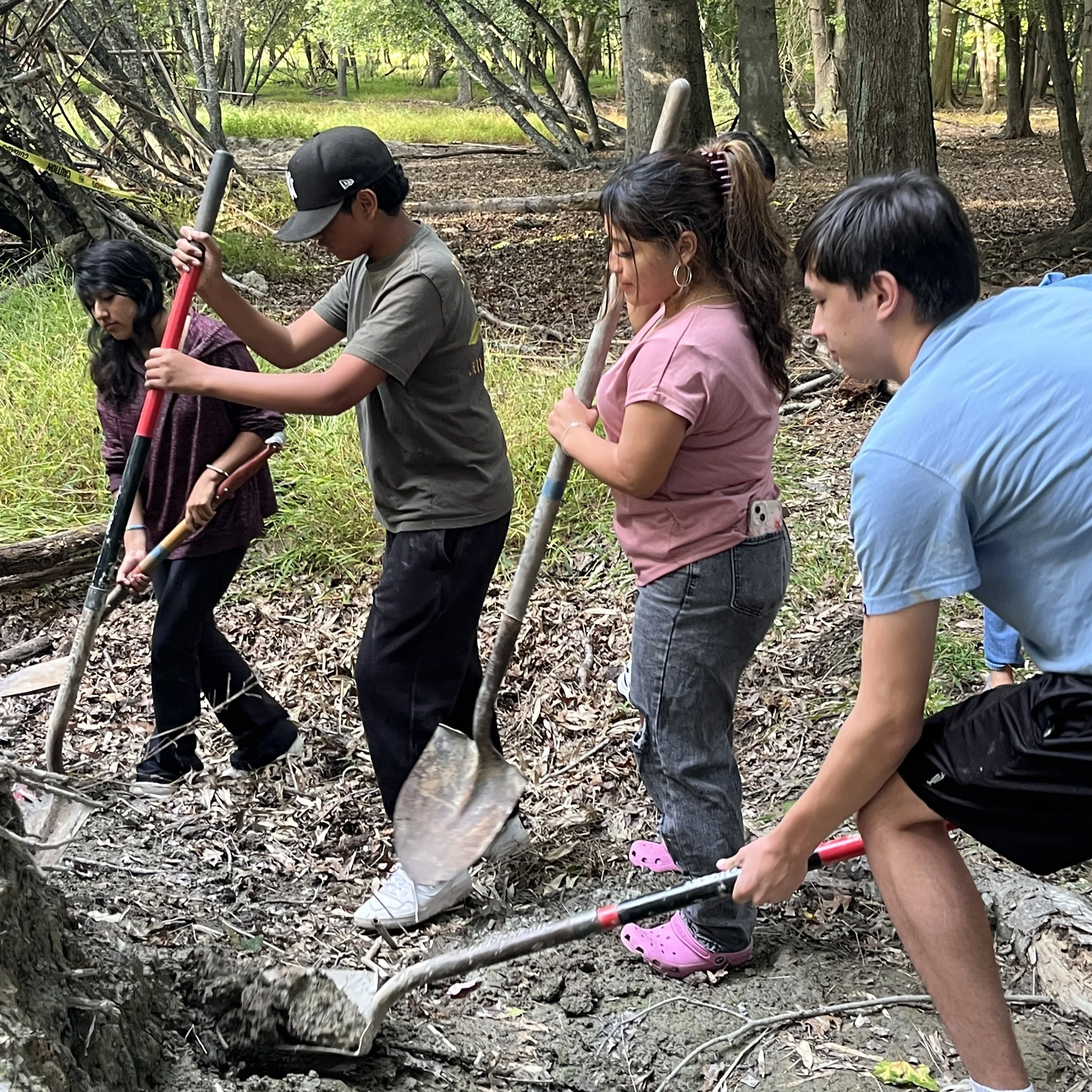
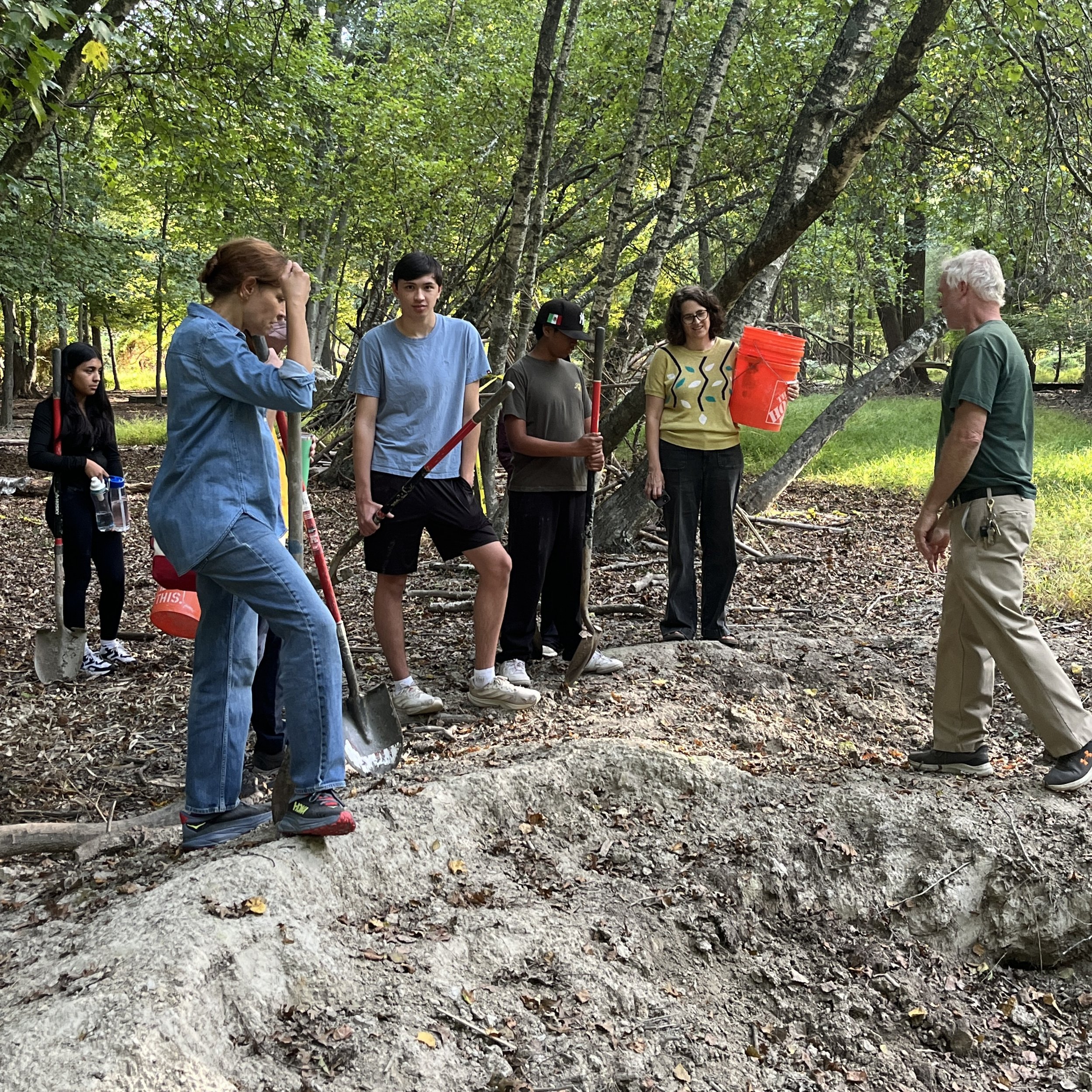
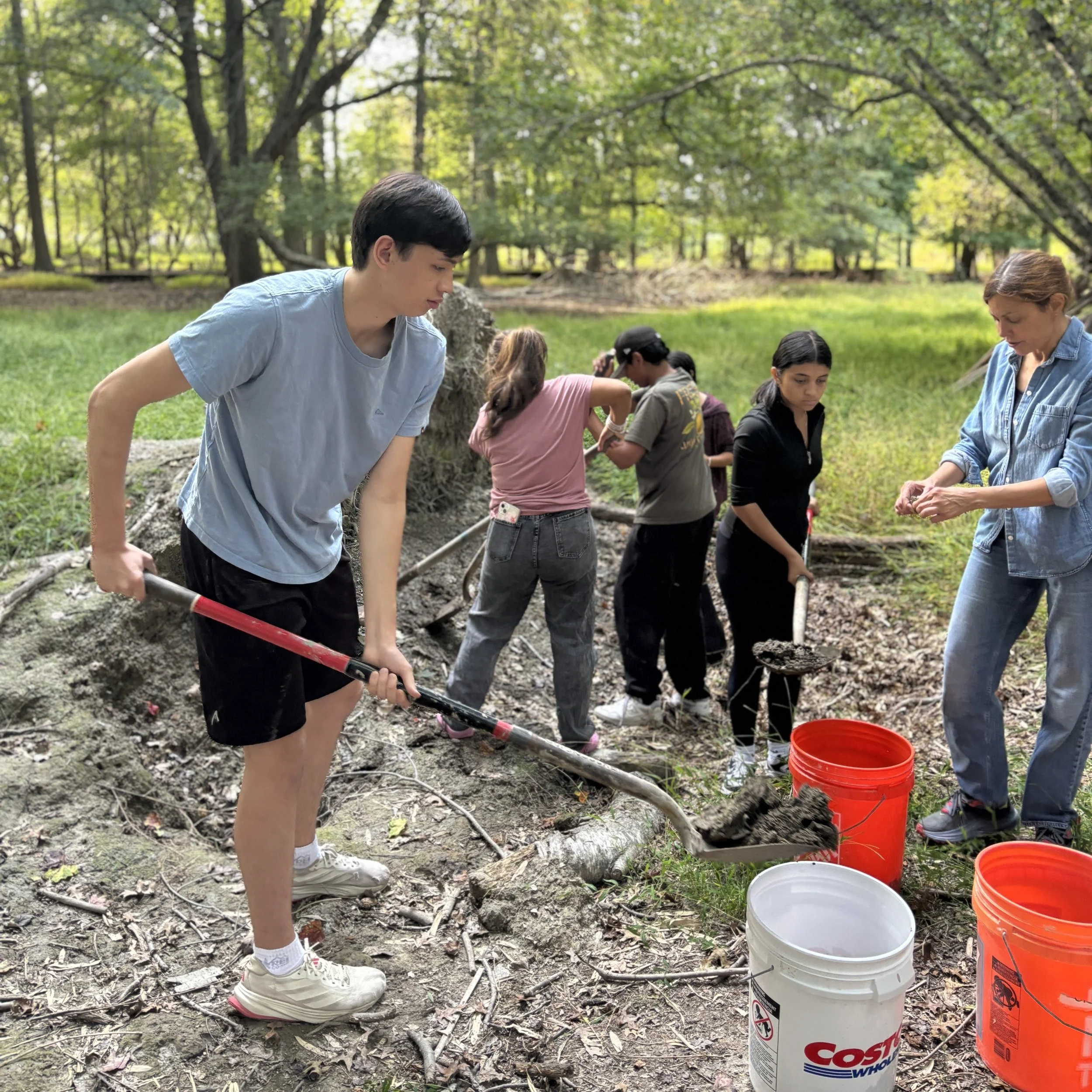
Students first collected wild clay on a field trip to the Edith G. Read Natural Park and Wildlife Sanctuary in Rye. There, the curator Scott Williamson spoke to the class about the history of Indigenous people in the area and how they used oyster shells as a temper for their ceramics. After learning about searching for raw clay and testing its plasticity by squeezing it and rolling it into coils, the group dug buckets of wild clay to be processed. Once they got back to Clay Art Center with their buckets of raw material, water was added to full submerge the clay and left overnight. This fully saturated the material, and made it possible to begin separating out the desired clay.
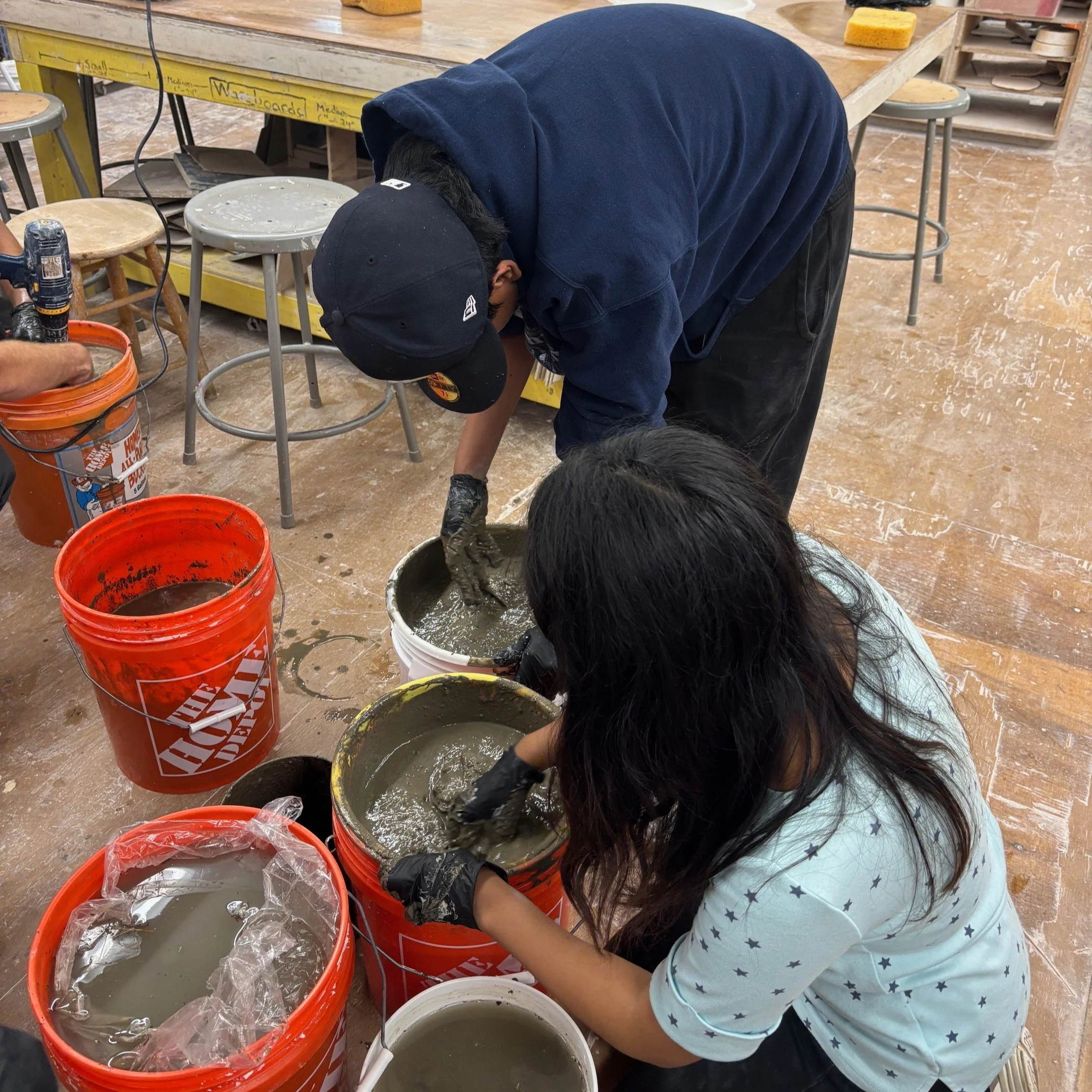
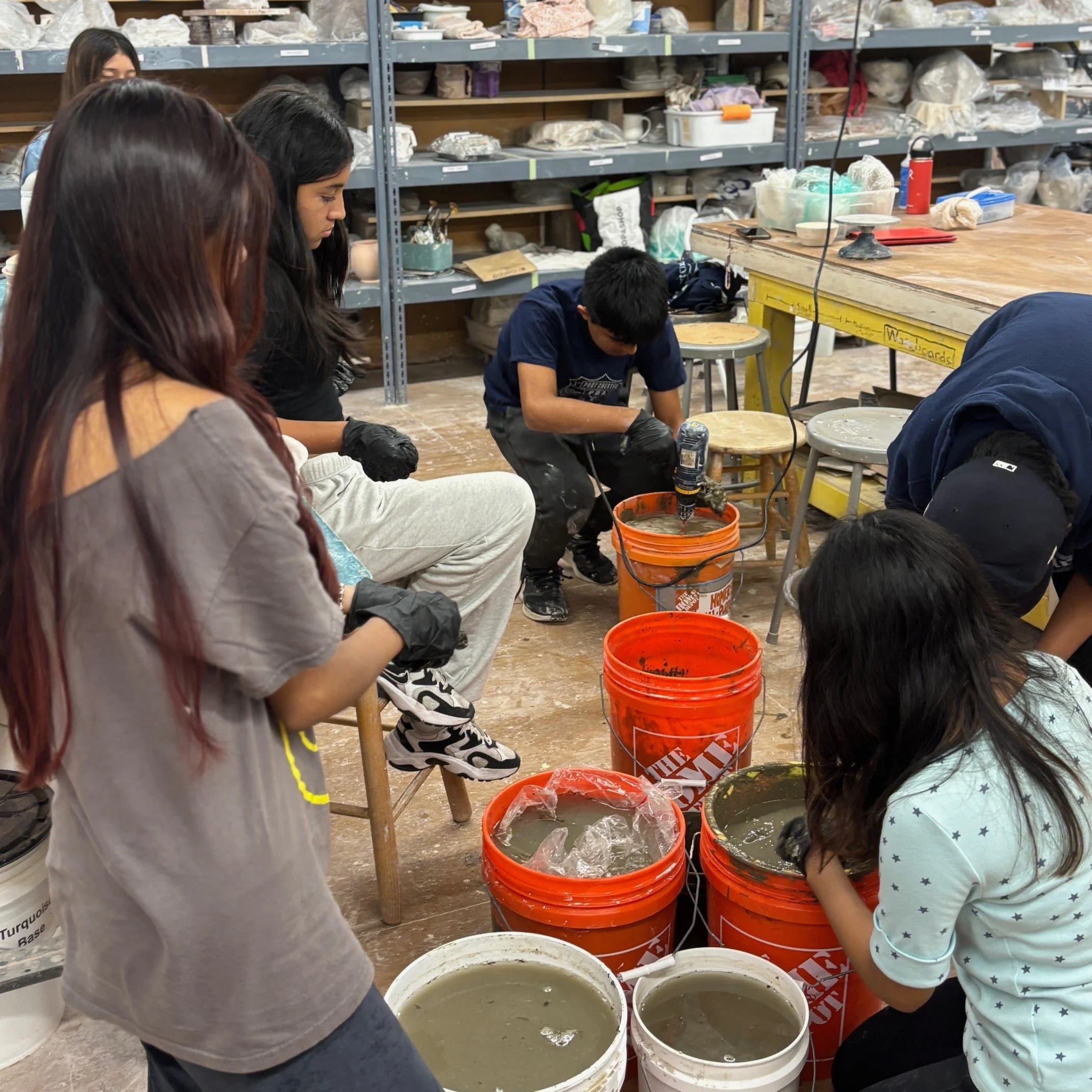
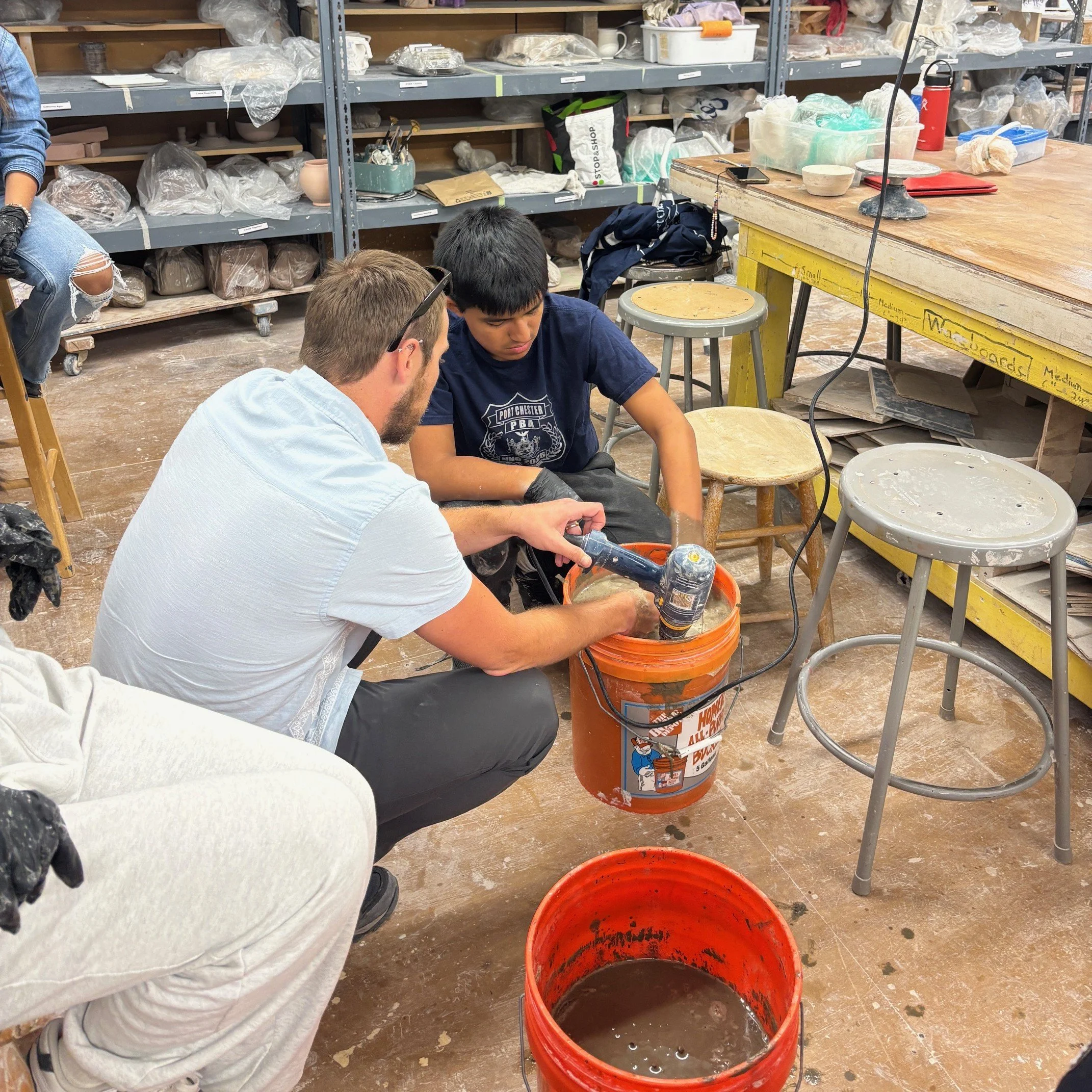
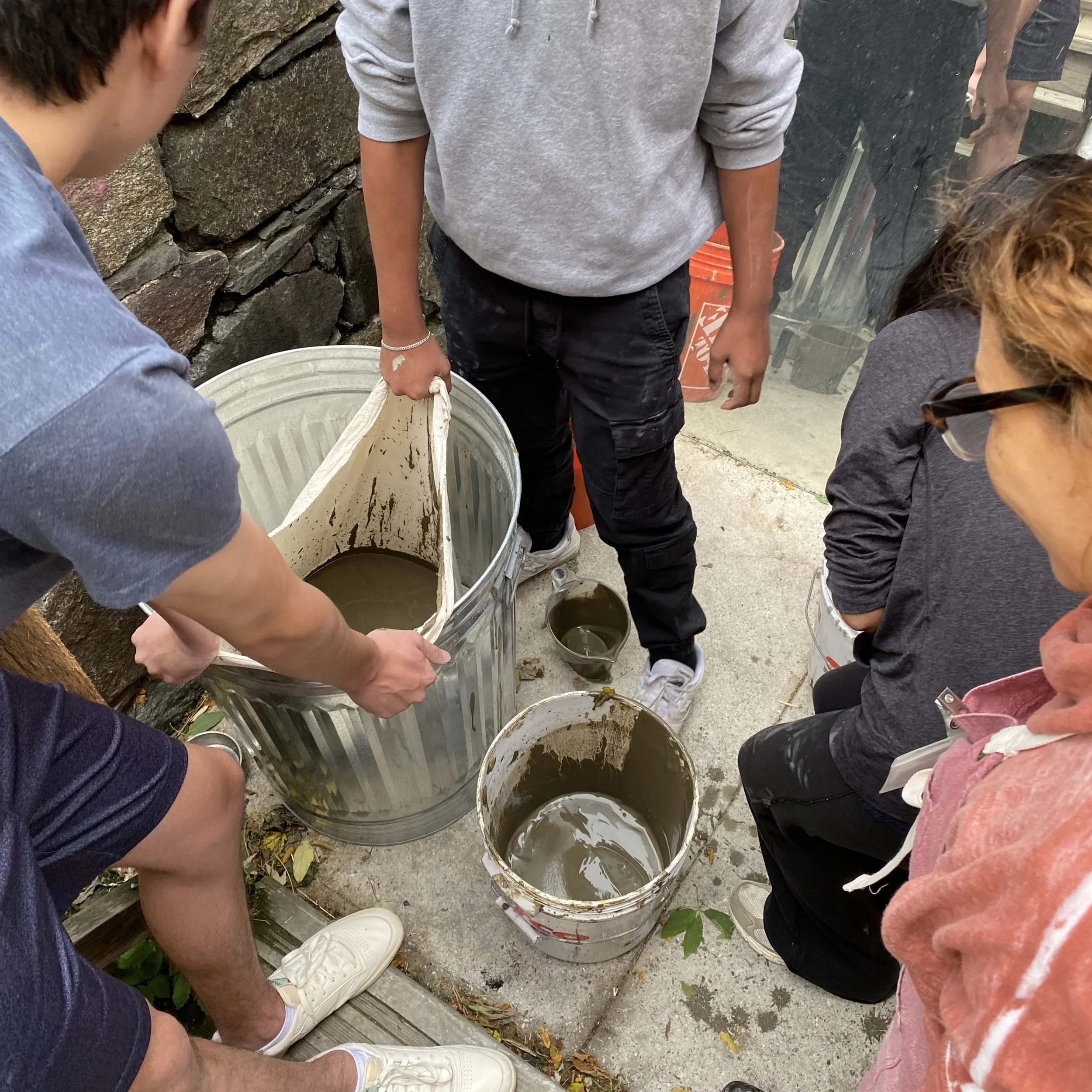
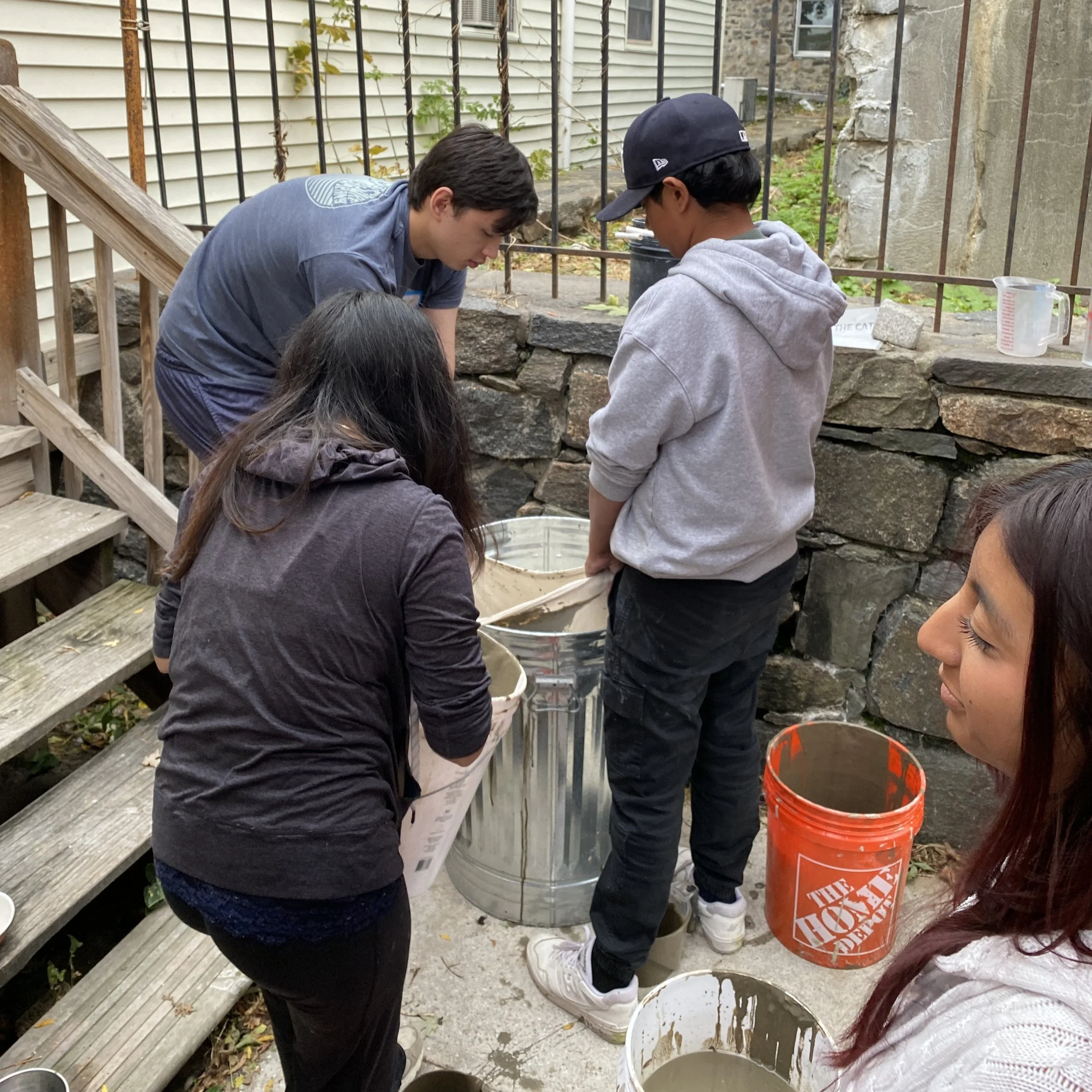
After the material was fully hydrated, the students used a drill mixer to break down the clay into a liquid slurry, which could then be passed through a sieve. Two different grades of sieve were used: a wider 40-mesh, followed by a finer 60-mesh. This removed organic materials such as leaves and sticks, and helped to ensure that the mixture contained only clay and water. They then recovered the buckets and stored them outdoors (in non-freezing temperatures of course!).
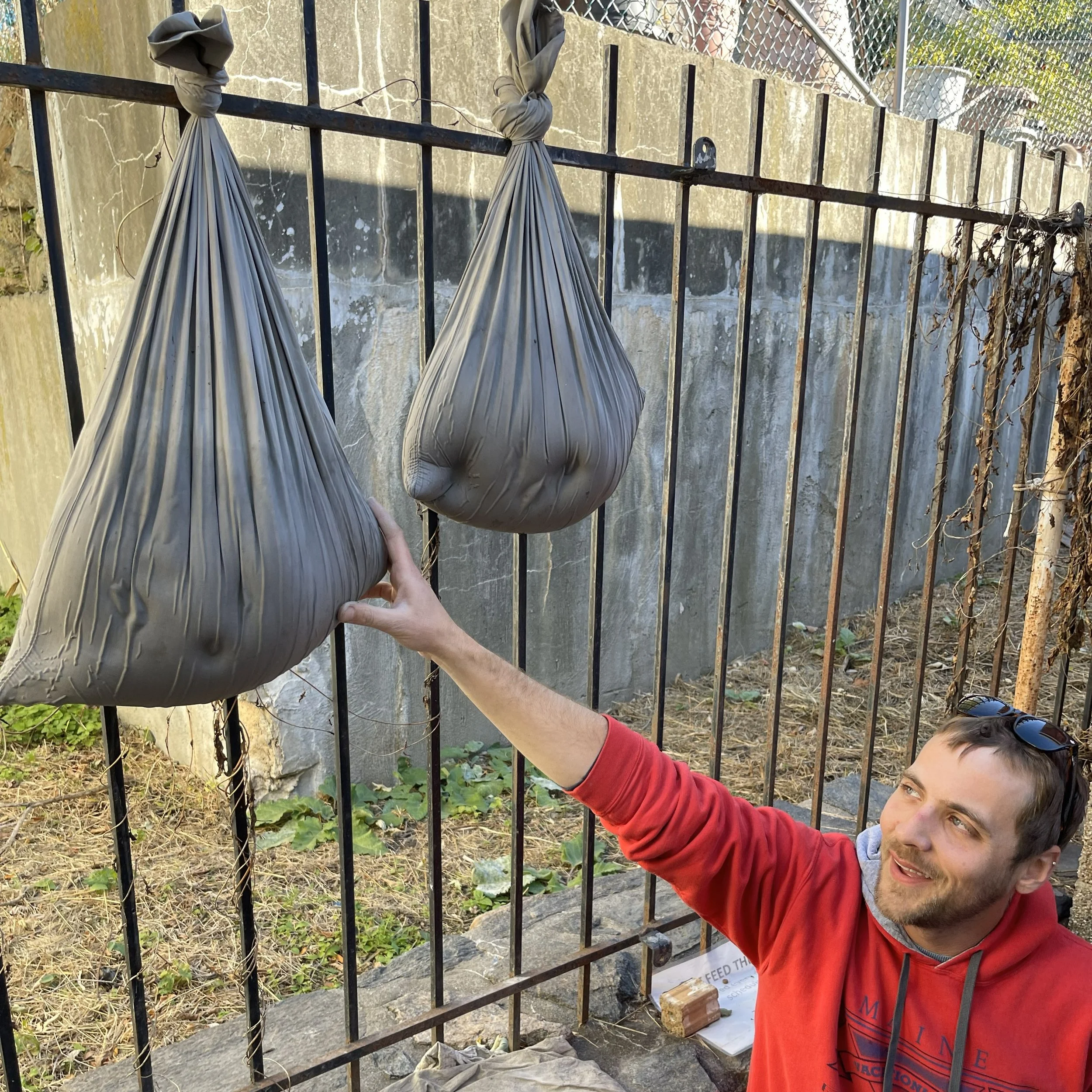
After several days, the mixture naturally separated, with water rising to the surface and clay settling at the bottom. The class carefully poured off the excess water outside, leaving only the saturated clay. They then transferred the clay into cotton pillowcases and suspended them from a fence so that they hung freely without touching the ground. This gave the clay a chance to evaporate some of that excess moisture. The group kept a close eye on the clay as it dried out because drying times can vary greatly based on environmental conditions such as rainfall and humidity.
Once the clay has partially dried and firmed (a finger pressed into the surface left a distinct impression), it was removed from the pillowcases. At this stage, the clay required mix-ins to make it more usable. The class incorporated approximately 10% light grog by weight and then wedged the material thoroughly. The addition of grog increases structural stability, and wild clay requires extensive wedging before use on the wheel.
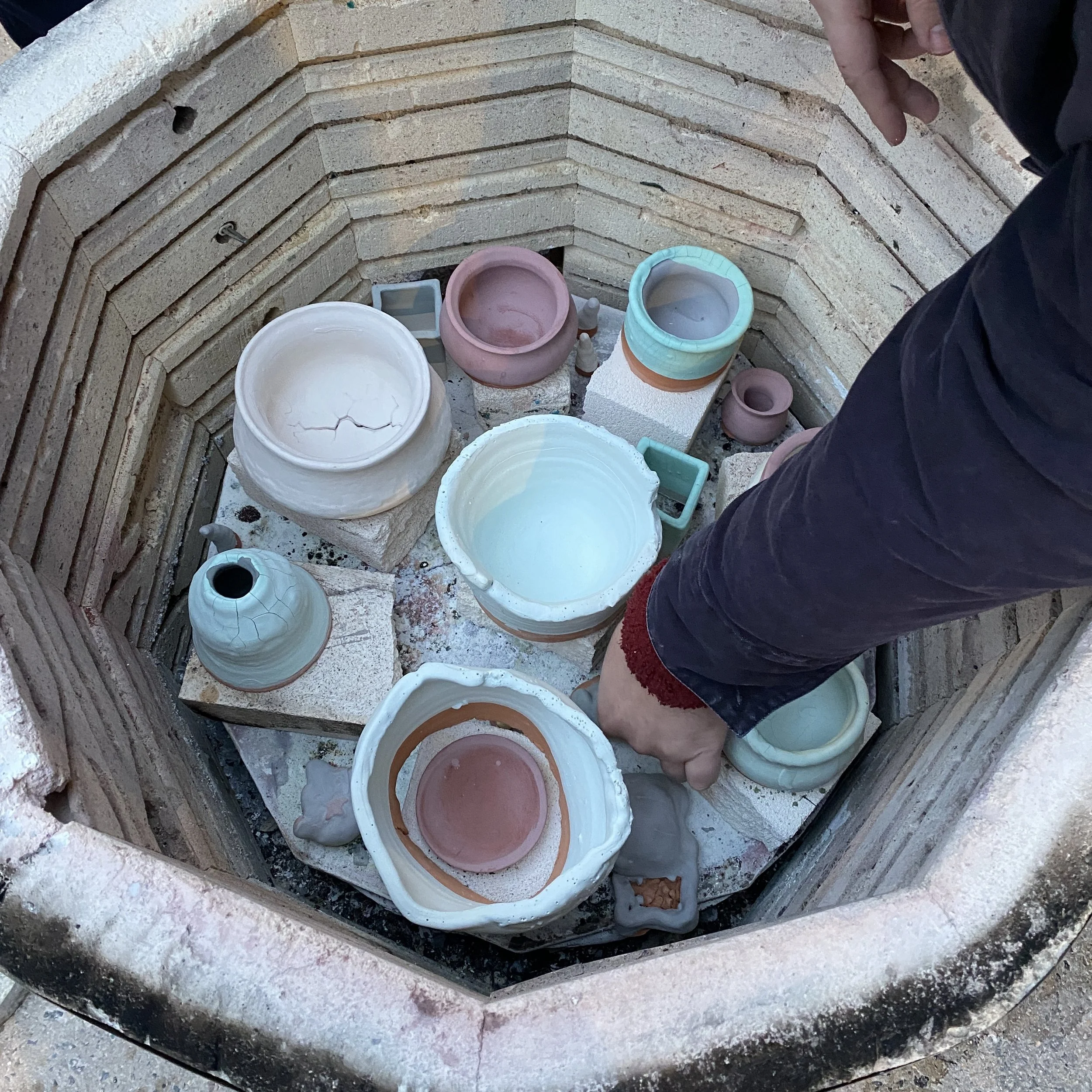
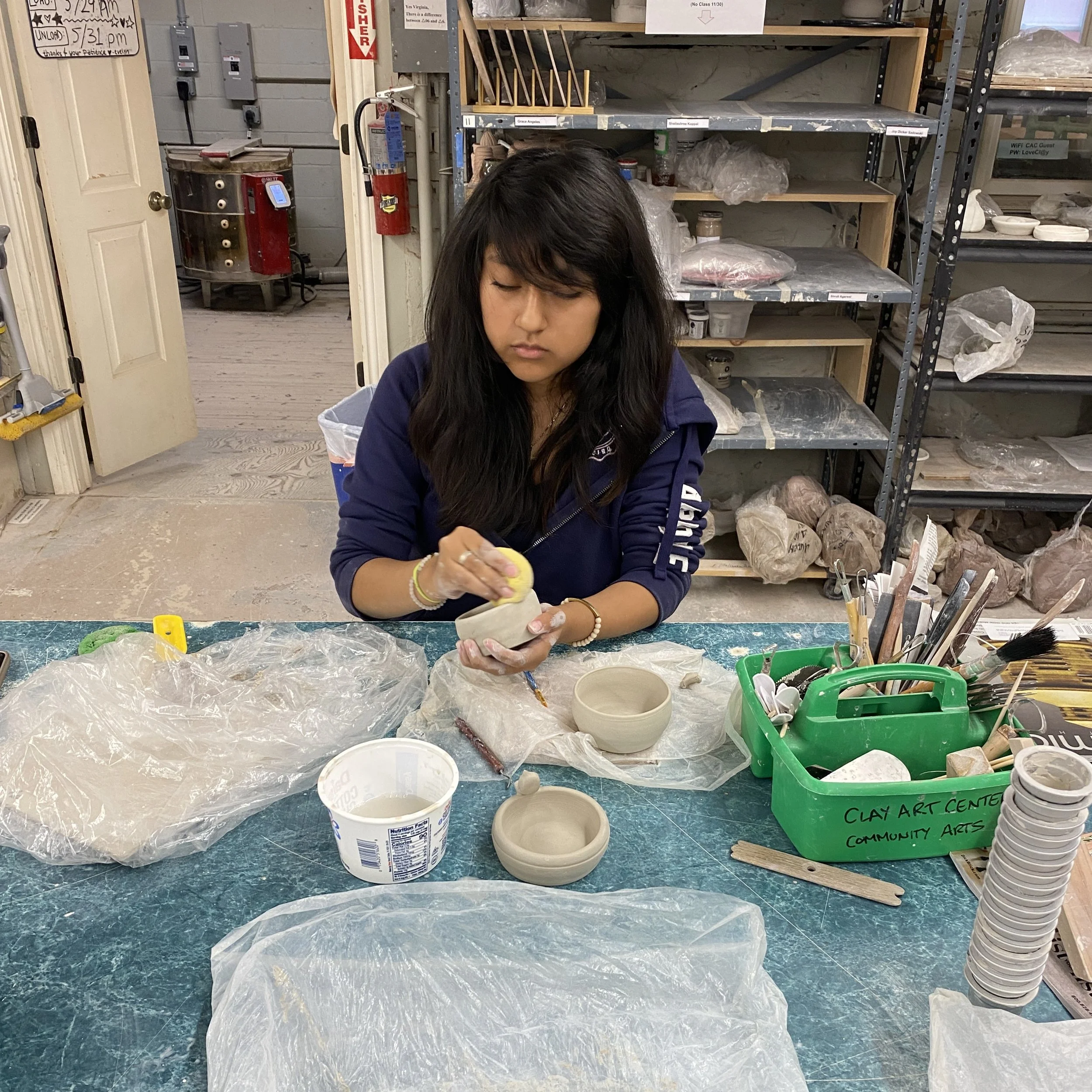
The students then took their fully processed clay into the classroom, where they threw projects on the wheel and handbuilt using the wild clay. Behind the scenes, the Community Arts team also put multiple test tiles through the kiln at different temperatures to test the structural integrity of the clay, and ultimately determined that it should be able to withstand the raku firing (a relatively low-fire environment).
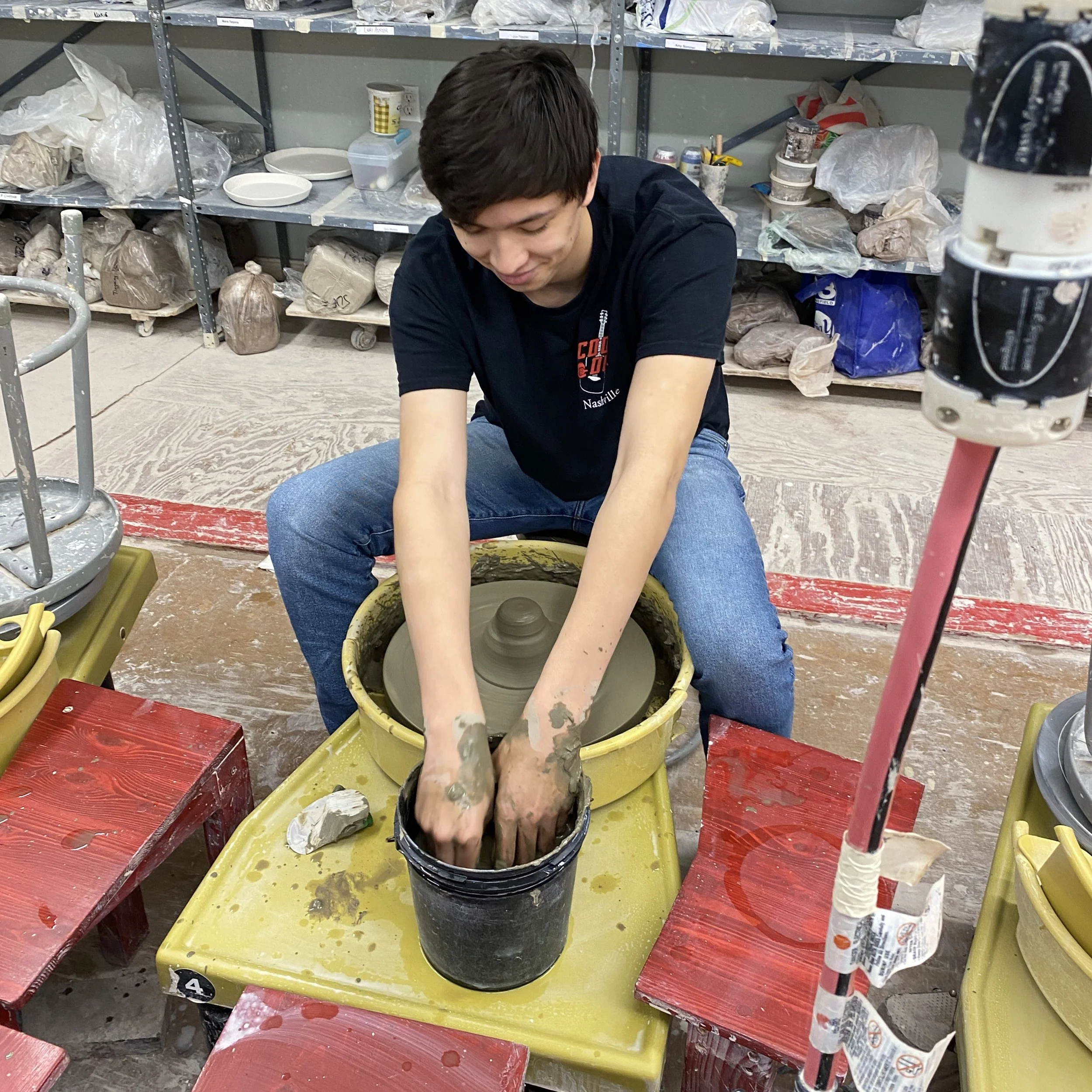
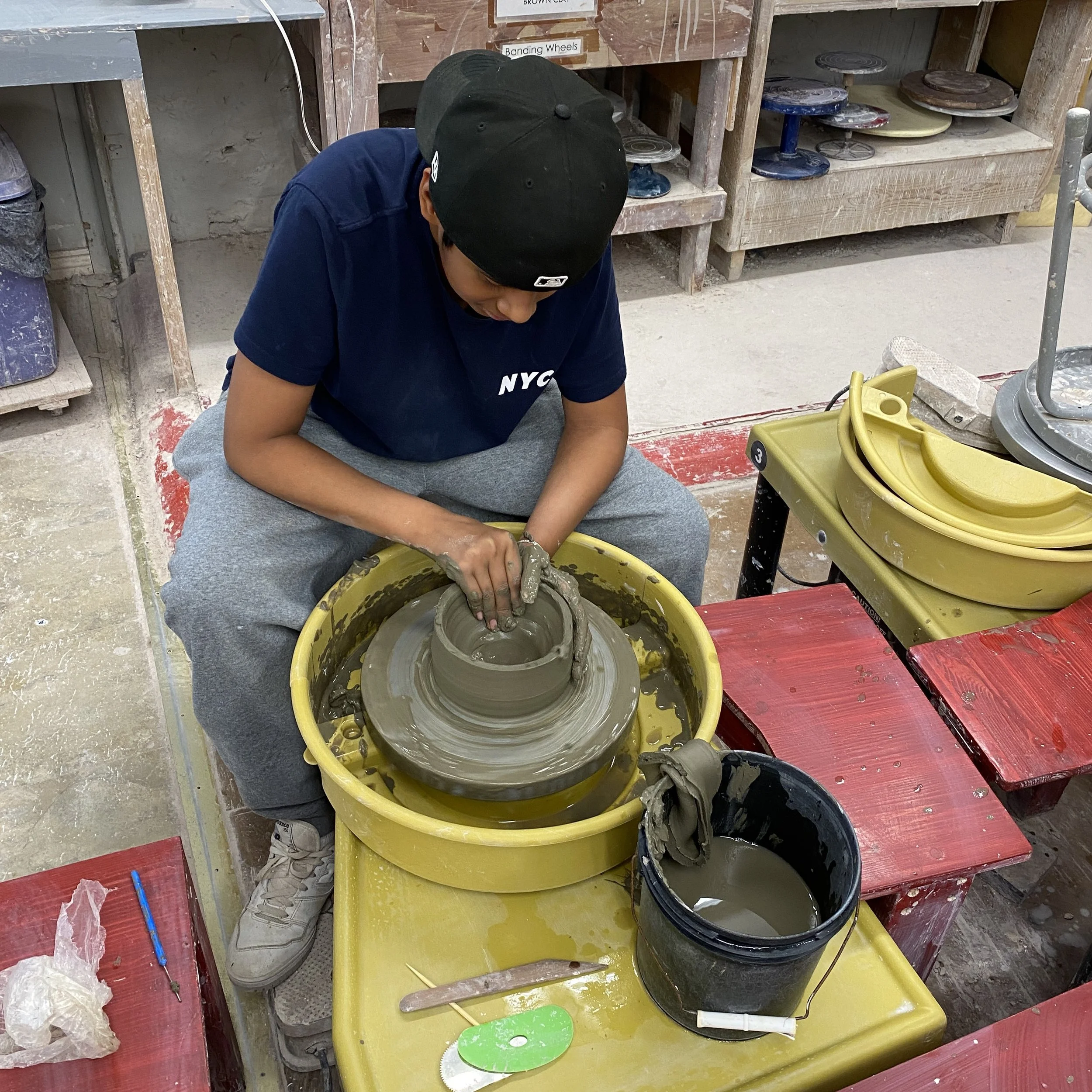
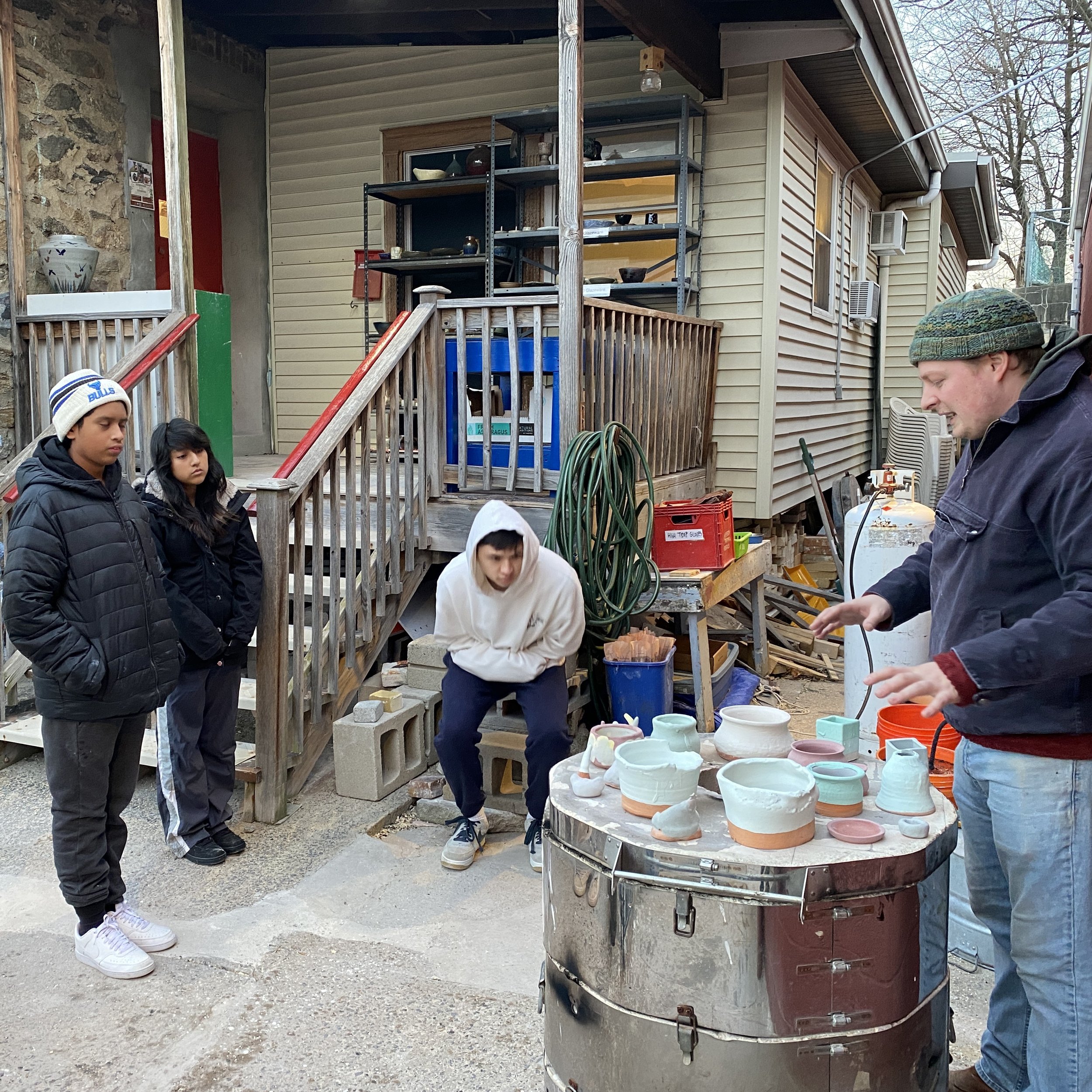
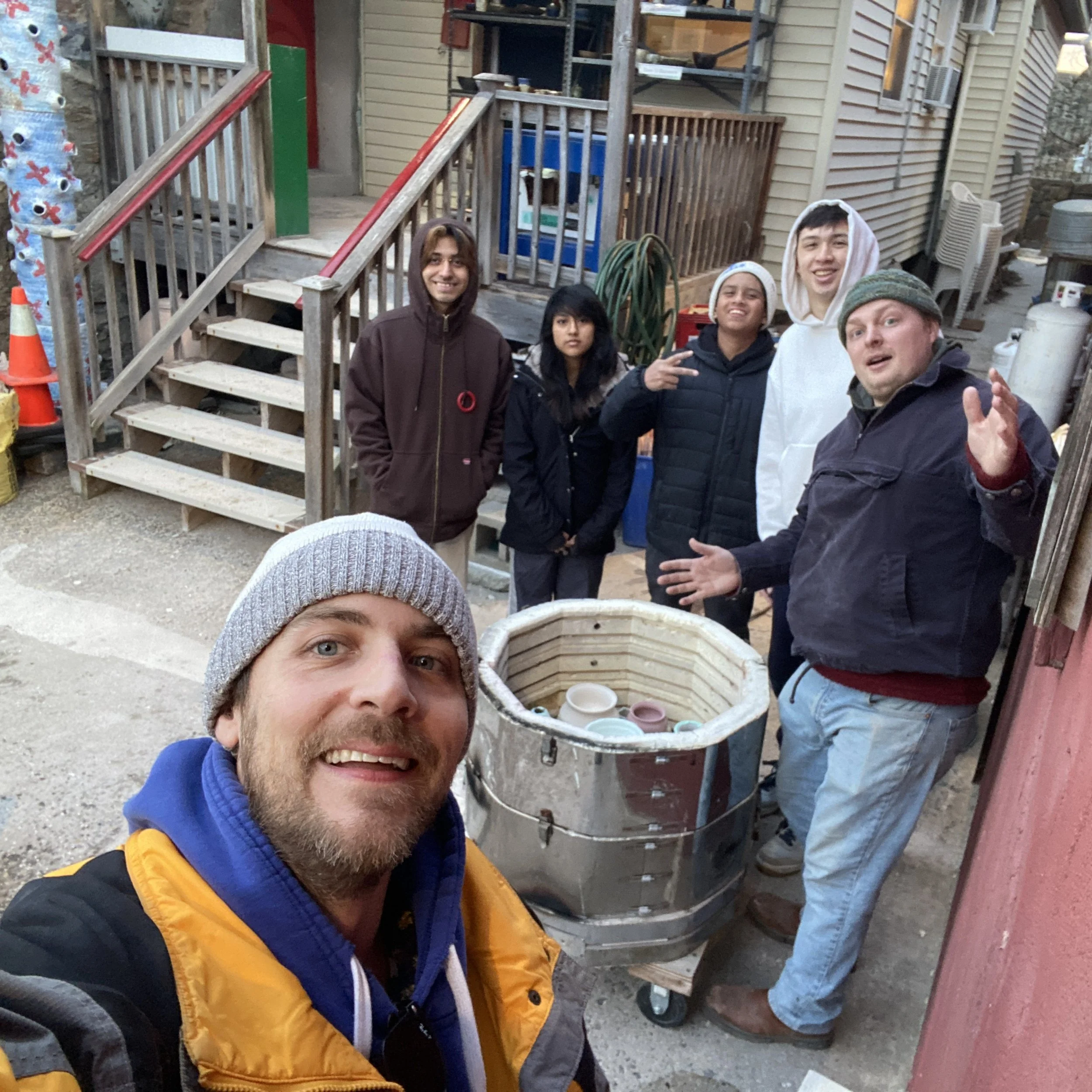
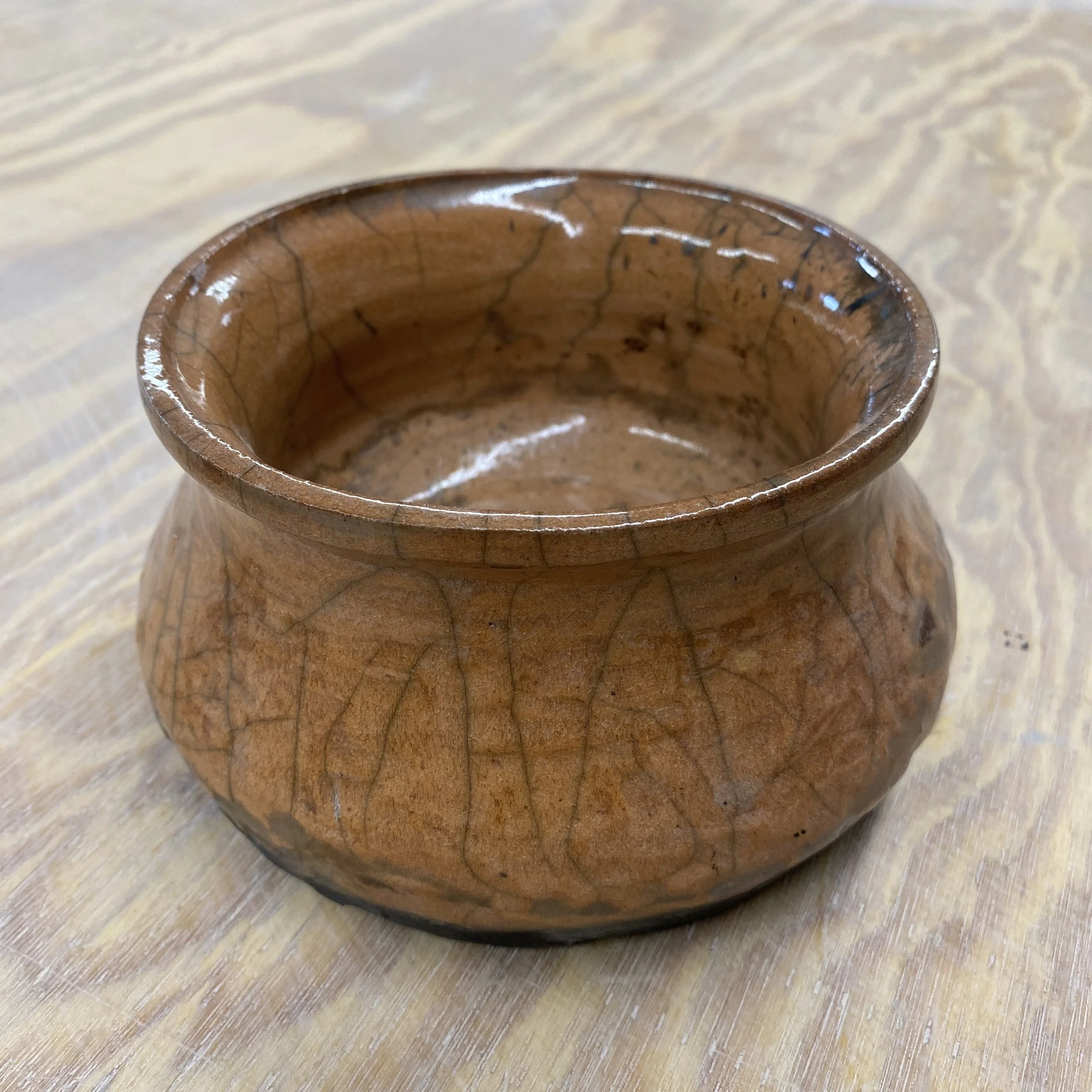
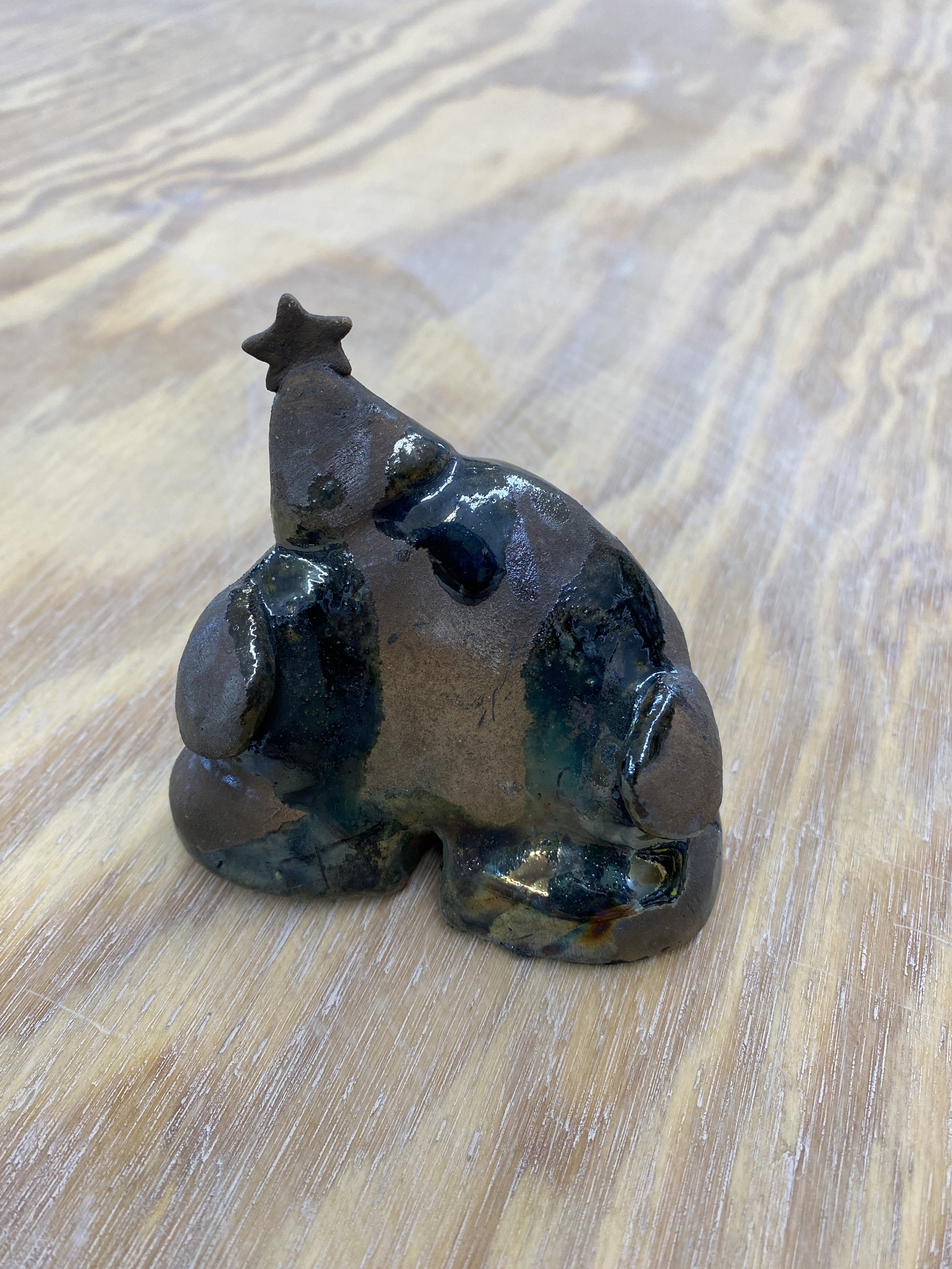
The Around The World In Clay class worked the raku fire together, learning about the firing process and visual cues. At the end of the project, the students had some beautiful raku pieces and a new appreciation for where their clay comes from. As Community Arts & Offsite Programs Manager Brian Barry shared, the benefits of this journey also go far beyond the clay. The group also:
Built a deeper connection to nature and place
Strengthened their understanding of the science of ceramics and geology
Experienced hands-on learning across multiple process stages
Developed problem-solving, experimentation, and observation skills
Fostered their craftsmanship, intention, and respect for materials
Learned about sustainability and natural resources
Cultivated pride, ownership, and confidence through the act of processing materials
Connected to historical and cultural clay traditions
We can’t wait to see what the Around The World In Clay students do next! If you know a Port Chester student who might be interested in participating in Around The World In Clay, learn more about the program on our website.
Around The World In Clay is sponsored in part by the Common Sense Fund.