
Tips & Techniques: Beat the Heat and Humidity
The summer is heating up, and bringing the humidity with it. Learn favorite techniques from staff and artists for working with the summer conditions.
This summer has already proved to be a hot, humid, and hazy, and we can feel it in the studios here at Clay Art Center. Even as we crank the air conditioning to keep spaces cool, the summer climate has an unavoidable impact on clay. The heat can place higher physical demands on ceramicists as they work, and the humidity means slower drying times, uneven drying, and a higher likelihood of cracks and warping. The heat and humidity together can result in mold growth, which won’t harm your clay, but can damage drying shelves and pose a risk for those with sensitivities. Adding AC to a space, while making it more workable, can also create microclimates that affect drying time. Just like the clay we work with though, ceramicists are nothing if not flexible and resilient, and below you’ll find some of our best tips to keep making, even when the heat makes it trickier.
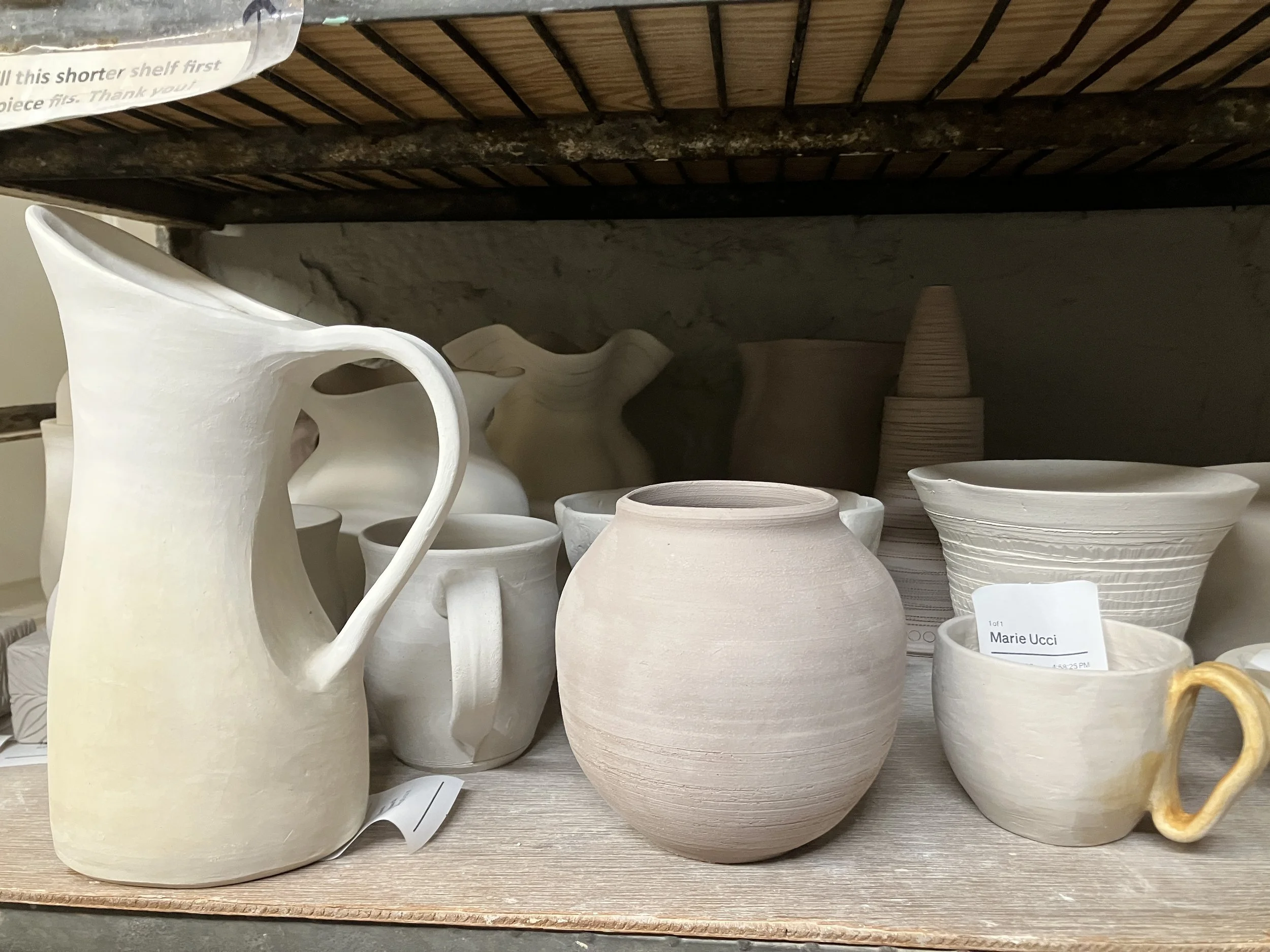
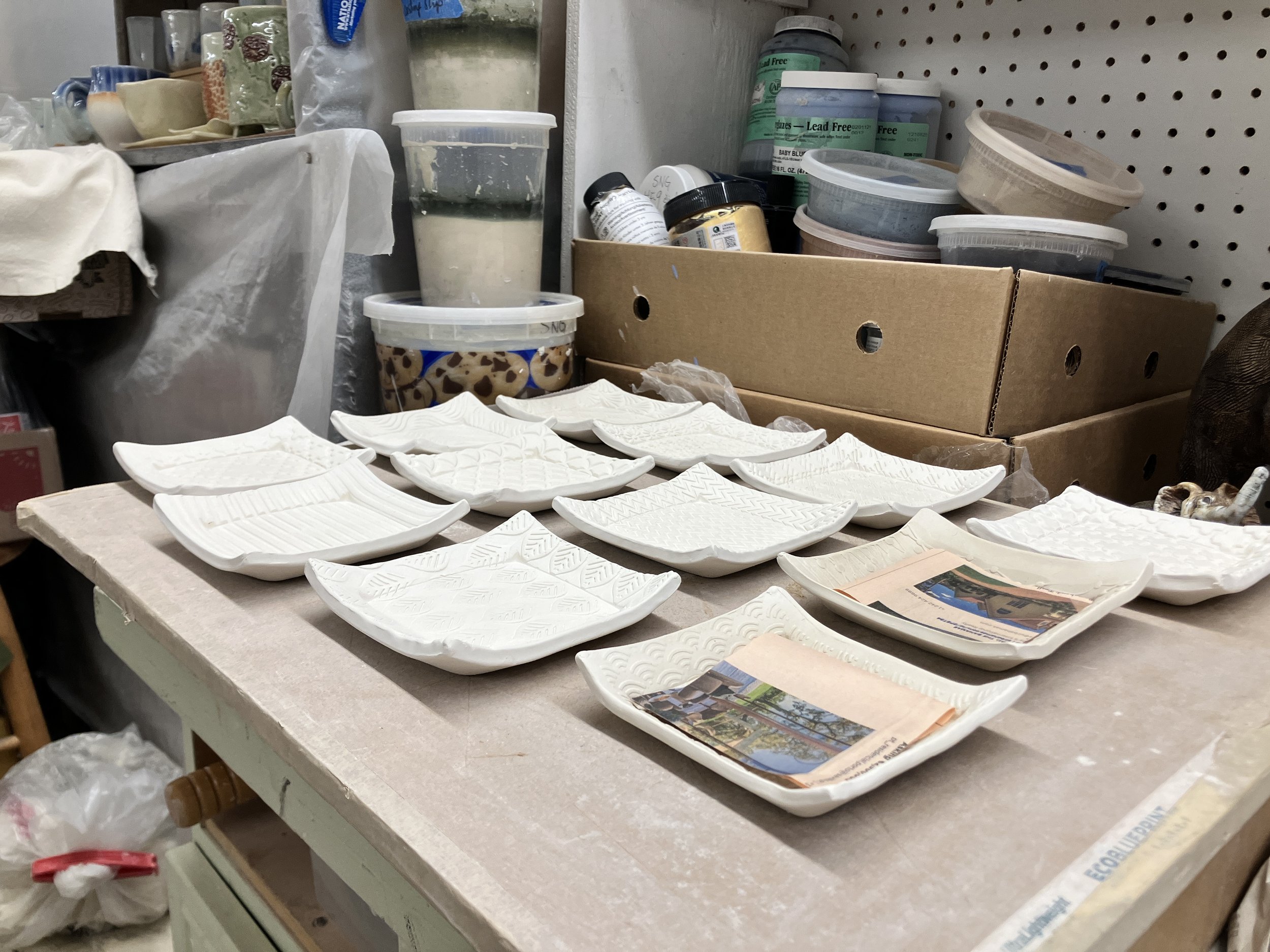
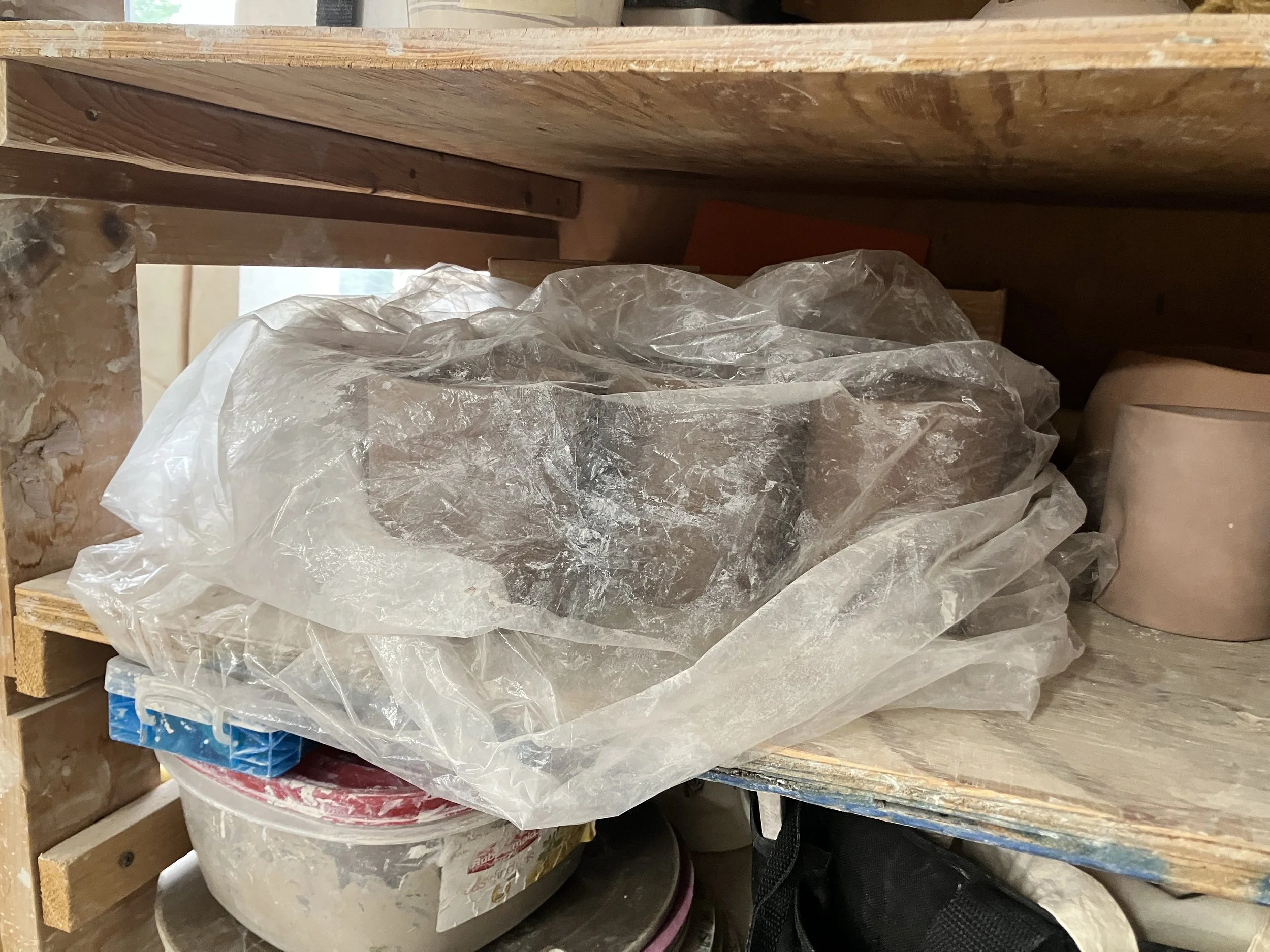
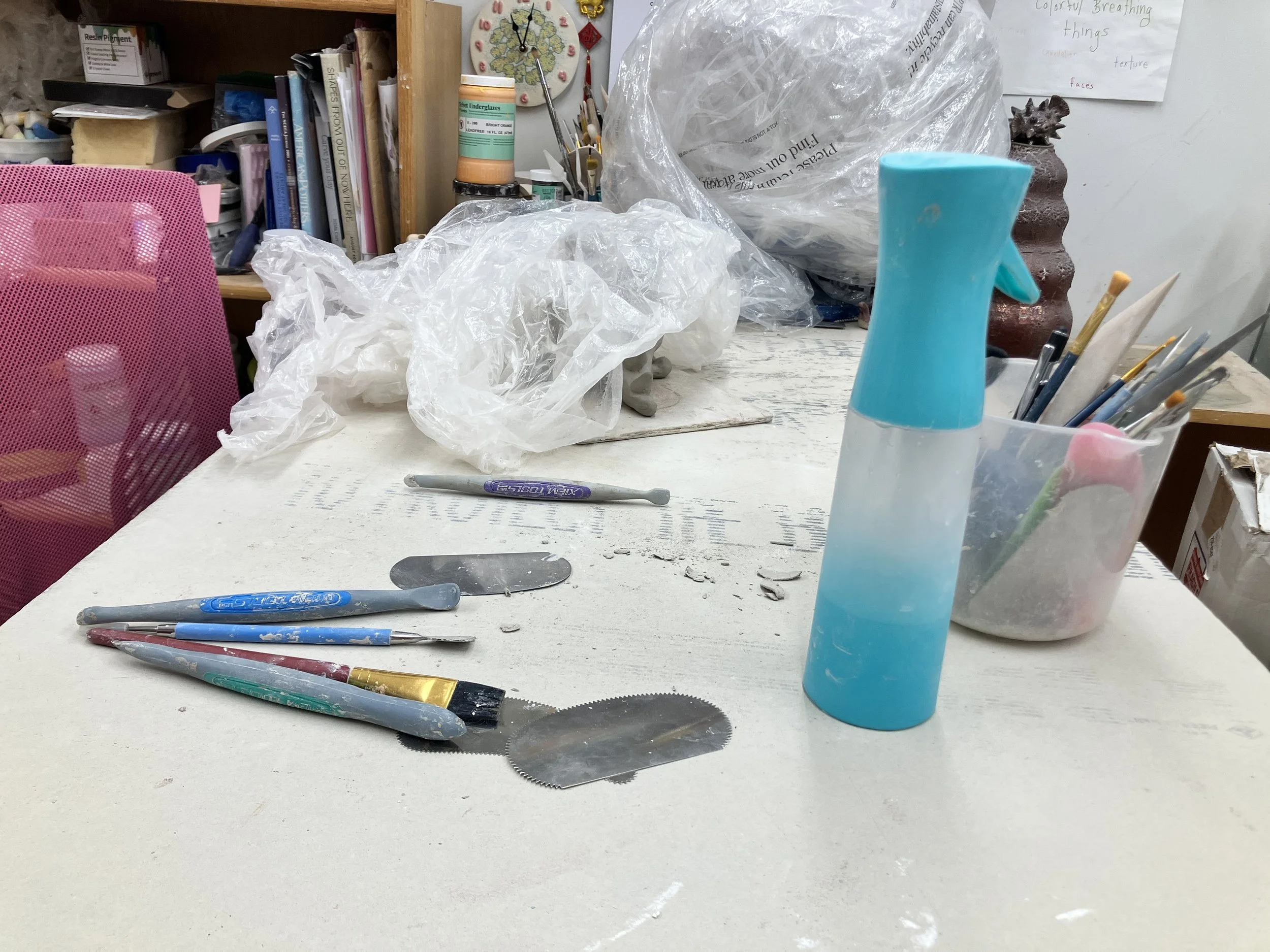
Brian Barry, Community Arts & Offsite Programs Manager: “Take frequent breaks, it’s hot. When working with clay, it’s important to know where the drafts in your studio are. Drafty areas tend to dry out more quickly, and introducing an AC unit or fan to a space will also introduce new drafts, so plan accordingly. Ultimately, in the summer, I work with more patience. I don’t care if they take longer to dry, I just wrap them in plastic and forget about them.”
Dalia Berman, Artist: “Get the AC put in! With handbuilt work, fans are a big no-no. They dry out the work too fast and unevenly, and because the water content isn’t even throughout handbuilt pieces, they are prone to cracking. Dry your work gradually.”
Lucy McGrath, Program Manager: “Increasing air circulation is key. It can help to put work up on a cookie rack, so that air can fully circulate around the pieces. If you’re worried about the cookie rack leaving an imprint, you can put a piece of netting or other flowy material down over the cookie rack, or just smooth out any creases in the clay later.”
Roberta Shapiro, Artist: “When storing a piece, wrap it in a damp pillowcase and then wrap with plastic. This will help the moisture level throughout the piece even out. I also leave the rim a little thicker or wrapped in plastic during the summer to protect it from cracking.”
Kamila Roman, Summer Studio Tech: “Wedge your clay really well, on canvas or a plaster board, to take out some of the moisture.”
Robin Henschel, Artist: “Watch how the sun comes into your studio if you have a lot of windows. Depending on where the light falls, and for how long, that can make pieces dry faster. I also dry pots upside down if I can, to make things dry more evenly and avoid cracking.”
Ultimately, our clay comes from the earth, and it is subject to the seasons, just like any other natural thing. When we truly emphasize the process over the product of ceramics, this seasonality can be its own gift, an opportunity to slow down with our clay. While the heat and humidity may make certain parts of the process difficult, remember that we will be cursing the cold, dry winter weather soon enough.