Clay is for Everyone: The ADA Accessible Classroom
Clay Art Center opened its first ADA accessible classroom earlier this year. The Yellow Studio and its accessibility features were made possible in part by sculptor and disability rights activist Jackie Clipsham.
This past spring term marked the first slate of classes offered in the new Yellow Studio, Clay Art Center’s first ADA accessible studio space. For decades, the old industrial warehouse buildings that house Clay Art Center have limited our ability to welcome visitors who use wheelchairs and others who need step-free access. In the past, Clay Art Center has brought classes directly to organizations serving participants with accessibility needs because of these limitations, but those participants didn’t get the opportunity to experience the creative energy of the space, or to connect with our broader community. The new classroom - complete with ADA compliant restroom, an adaptive pottery wheel, wider walkways, and adjustable tables - will allow us to welcome even more people through our doors to enjoy everything that Clay Art Center has to offer. This work was made possible in part by a planned gift from Jackie Clipsham, who worked as an artist at Clay Art Center in the 1960s.
“Making clay accessible is at the heart of Community Arts' mission. We know that working with clay can reduce stress, build confidence, strengthen resilience, and foster meaningful connections with others. We believe everyone deserves the opportunity to experience those benefits—regardless of their financial circumstances or physical ability to access the space. The completion of our first ADA accessible classroom is an important step toward making Clay Art Center a place where more people can create, learn, and belong.” - Brian Barry, Community Arts & Offsite Programs Manager
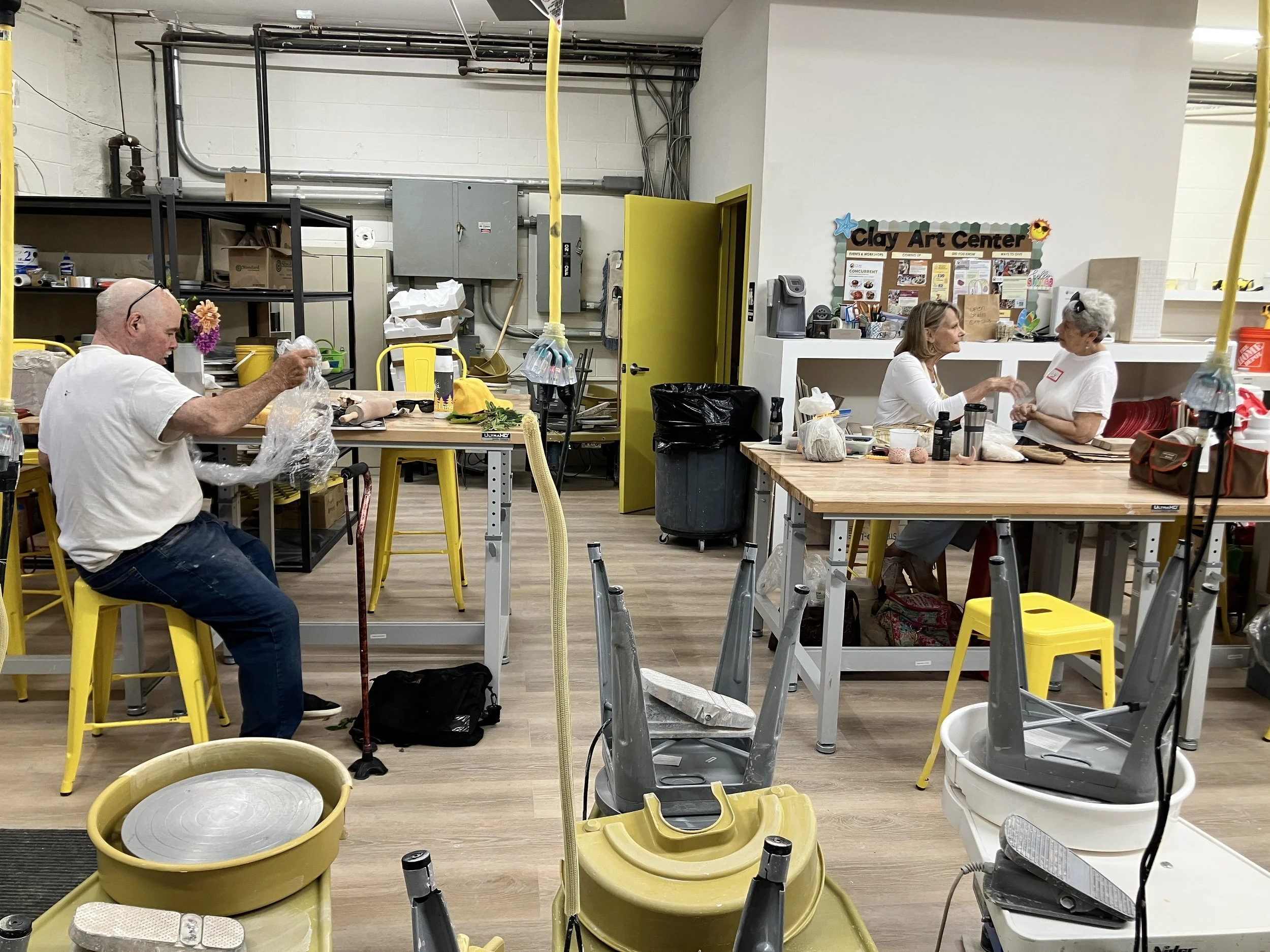
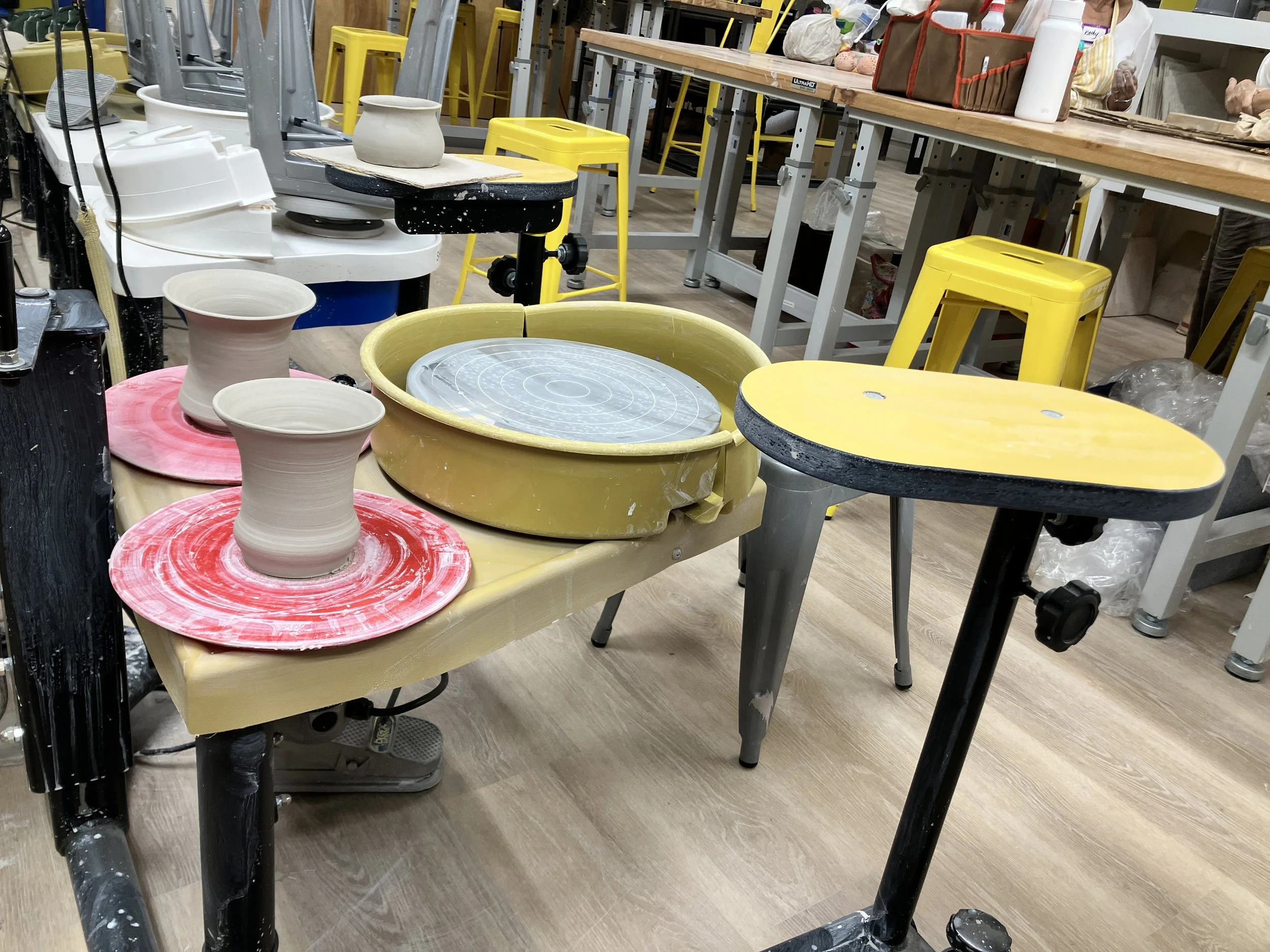
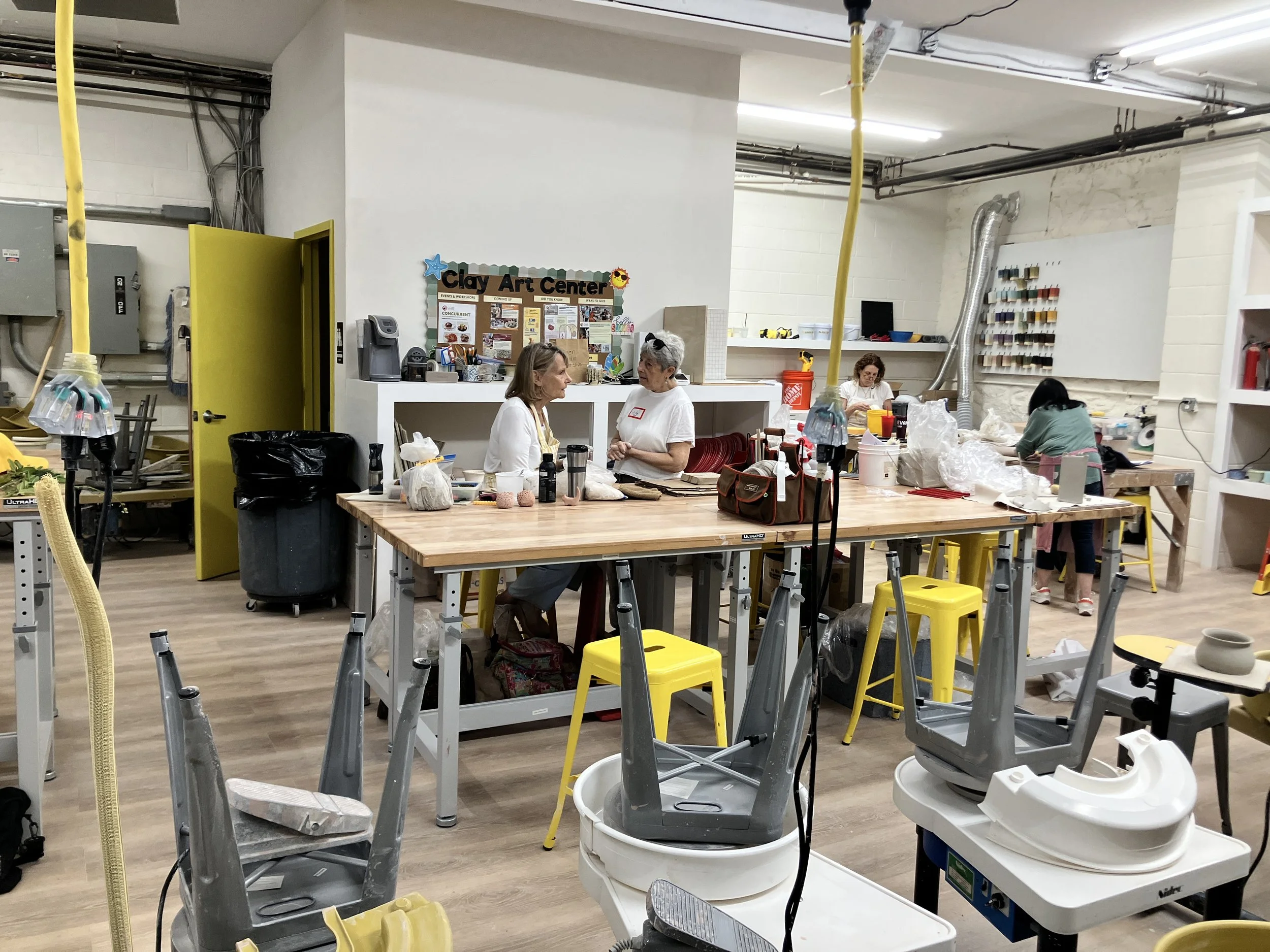
Above: The Yellow Studio, our new ADA accessible classroom
Jacqueline “Jackie” Clipsham was a sculptor, teacher, and influential activist born in 1936 with achondroplasia, a genetic bone condition that leads to the early ossification of the bones and the most common cause of dwarfism. Clipsham was three feet ten inches tall, and preferred the term “short-statured person” to dwarf or little person. Born in England to American parents, Clipsham grew up spending time in both countries, where the stigma and prejudice that she faced led to a deeply ingrained sense of justice and duty. Clipsham received her BA from Carleton College, and studied ceramics further at the University of Perugia in Italy, the University of Grenoble in France, and the Cleveland Institute of Art, before earning her Master’s degree at Case Western Reserve University in 1963. She fought relentlessly for human rights, in the Civil Rights Movement, the women’s rights movement, and the disability rights movement, all while maintaining her art and teaching practices.
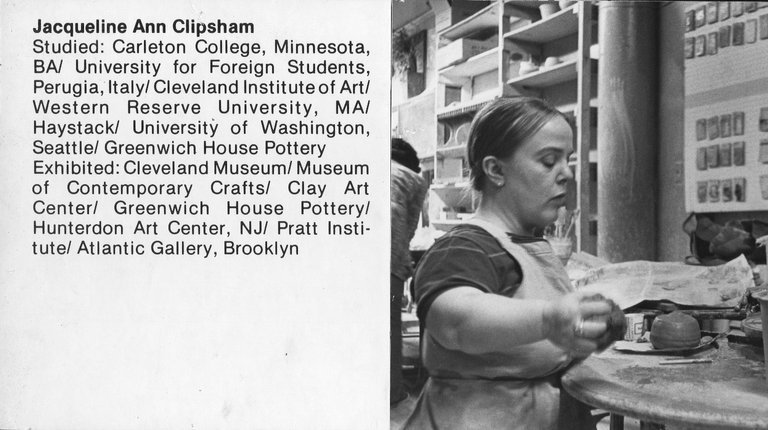
Photo Credit: "Brooklyn Museum Art School faculty. Jacqueline Ann Clipsham, ca. 1979.", 1979. Bw photographic print. Brooklyn Museum, Art School. (Photo: Brooklyn Museum, MAS_Vfacultyi003.jpg)
“I know I can't change the whole social order singlehanded, but we're all part of the ecology. Maybe as an artist and teacher, I can set an example of a person going forward in response to my own vision, and at the same time keeping a network open. It means not being elitist, but not sacrificing quality.” - Jackie Clipsham, New York Times, July 4th, 1982
Clipsham worked as an artist at Clay Art Center for a few years in the 1960s, before establishing studios in Brooklyn and Califon, New Jersey, the latter being close to her former teacher Toshiko Takaezu. A passionate teacher, Clipsham was a member of the faculty at the Brooklyn Museum Art School for over a decade and taught accessible classes at community organizations, colleges, and museums across the country. Clipsham had to customize nearly every piece of equipment in her studio, from her slab roller to her treadle wheel, but it was the kiln that Clipsham battled with the most. After going back and forth about what to do after her kiln collapsed in 1983 - thinking through the pros and cons of different kiln styles that were workable, but not perfect - Clipsham woke up at 3 in the morning with her solution: a kiln with doors on the front and back, so that she could load and unload from both sides. Clipsham named her design the Tu-Dor Kiln, and when it came to drafting the designs and building the kiln, she reached out to kiln expert and Clay Art Center founder Henry Okamoto.
The story and kiln designs were published in the June 1987 edition of Studio Potter, which made the plans available to others who could benefit from it. It’s possible that this was one of the final kilns Henry would build - he passed away eight months after the article was published. When Clipsham passed in 2020, after a lifetime of fighting for accessibility, she left provisions in her will to continue that fight. The Yellow Studio and the progress that it embodies was partially funded by Clipsham’s promised gift, and it is a testament to her legacy and vision of an accessible future. As Clay Art Center continues to improve and open the doors to more art lovers, we hope to one day make that vision a reality.