Jamie Lee's Handbuilding Journey
Jamie Lee is a Clay Art Center Artist, instructor, and one of the spotlight artists for Asian American and Pacific Islander Heritage Month. Learn more about her clay path.
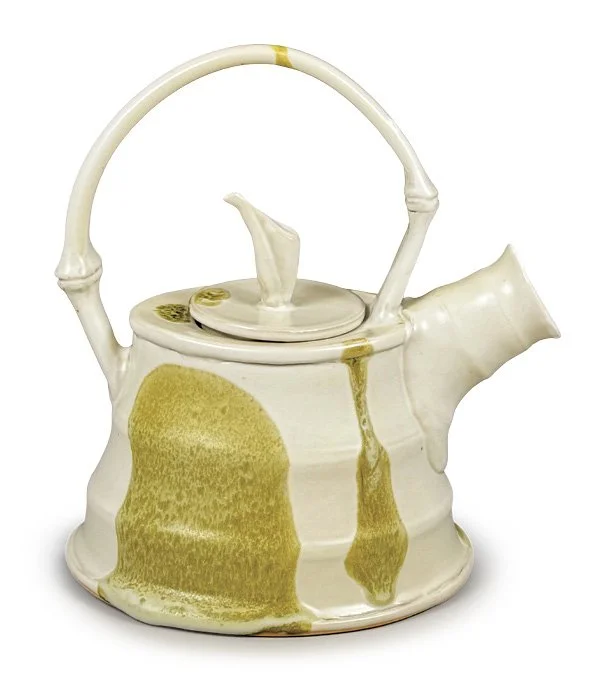
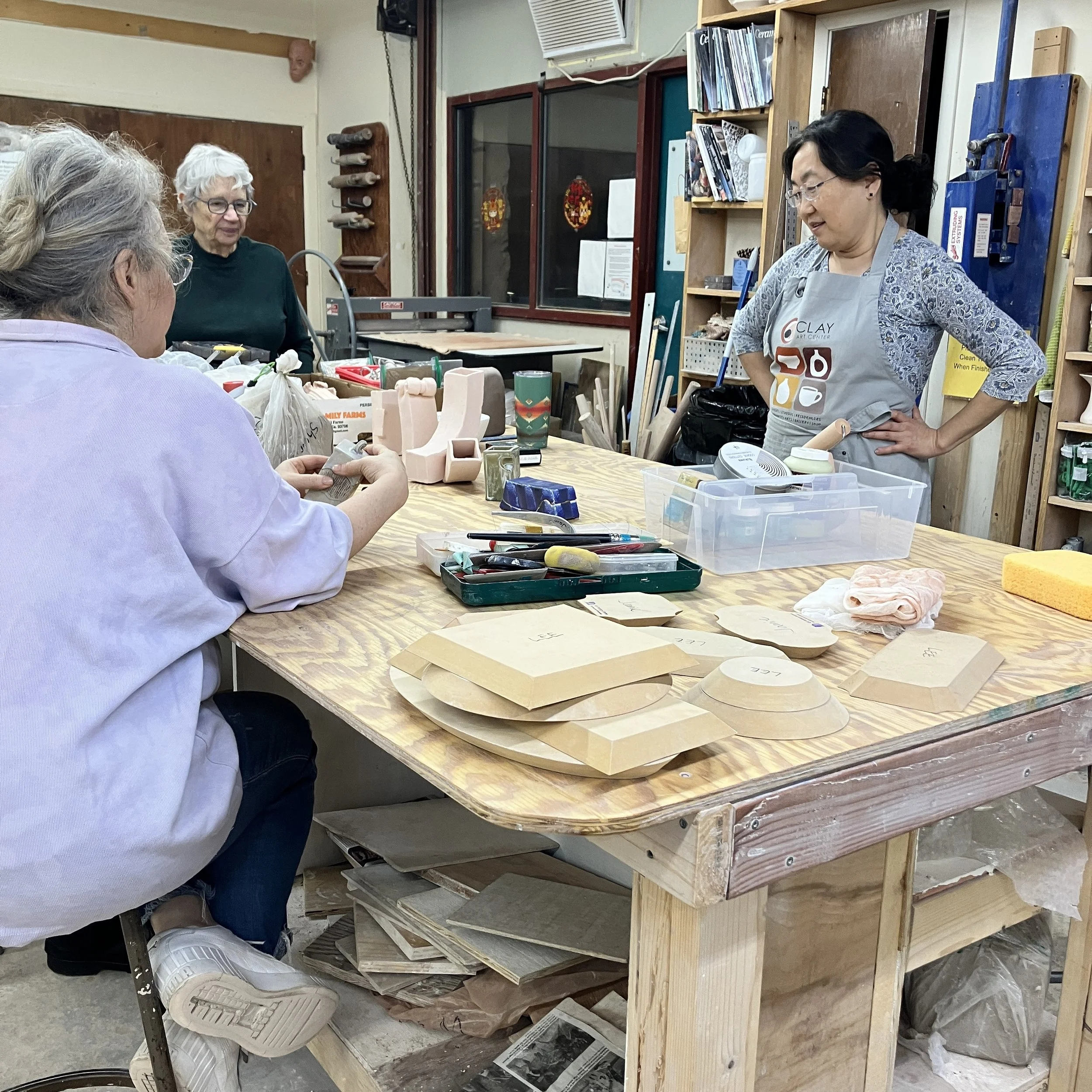
In celebration of Asian American and Pacific Islander Heritage Month, Clay Art Center is spotlighting artists of Asian descent in our Shop community. One of those artists, Jamie Lee, has developed her ceramics practice as both a wheel-thrower and a handbuilder, and focuses on creating generous forms with joyful, textured surfaces. Jamie’s Bamboo Teapot, featured in the February 2026 edition of Ceramics Monthly, is an excellent example of her thoughtful design inspired by moments of connection in daily life. Passing on her joy is one of the things Jamie has found most meaningful as a teacher here at Clay Art Center. Below, you can learn more about Jamie’s journey as an artist and the connection she finds through handbuilding.
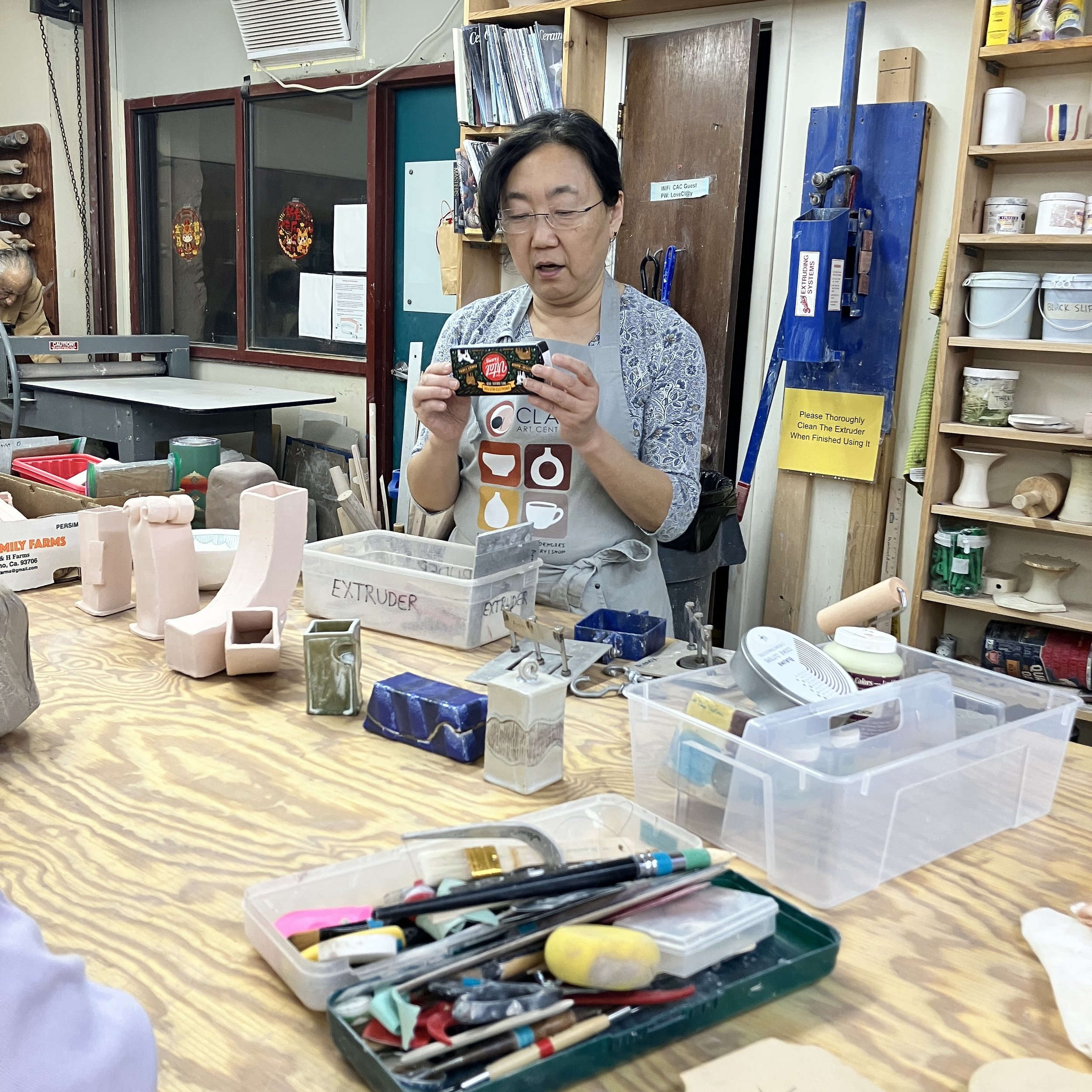
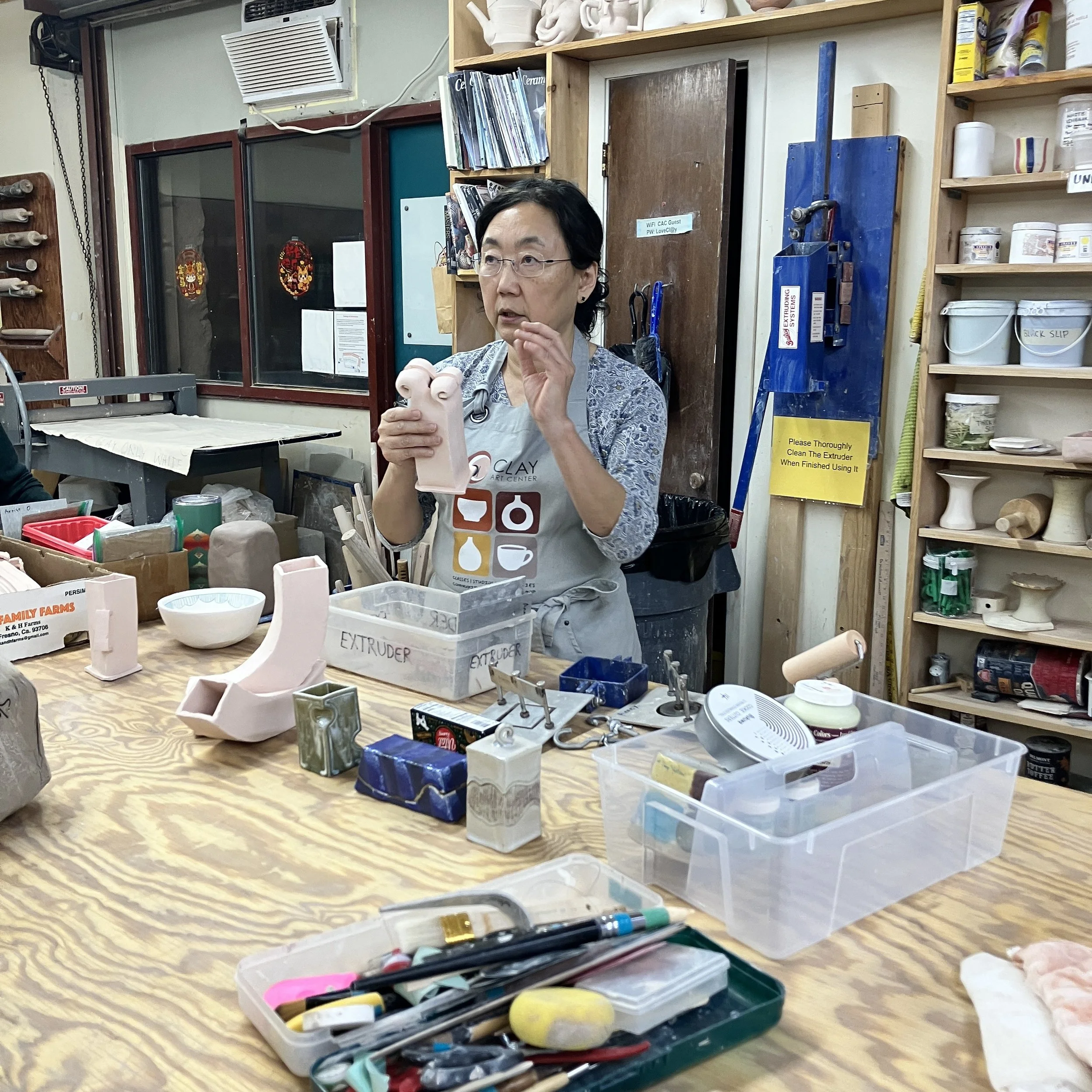
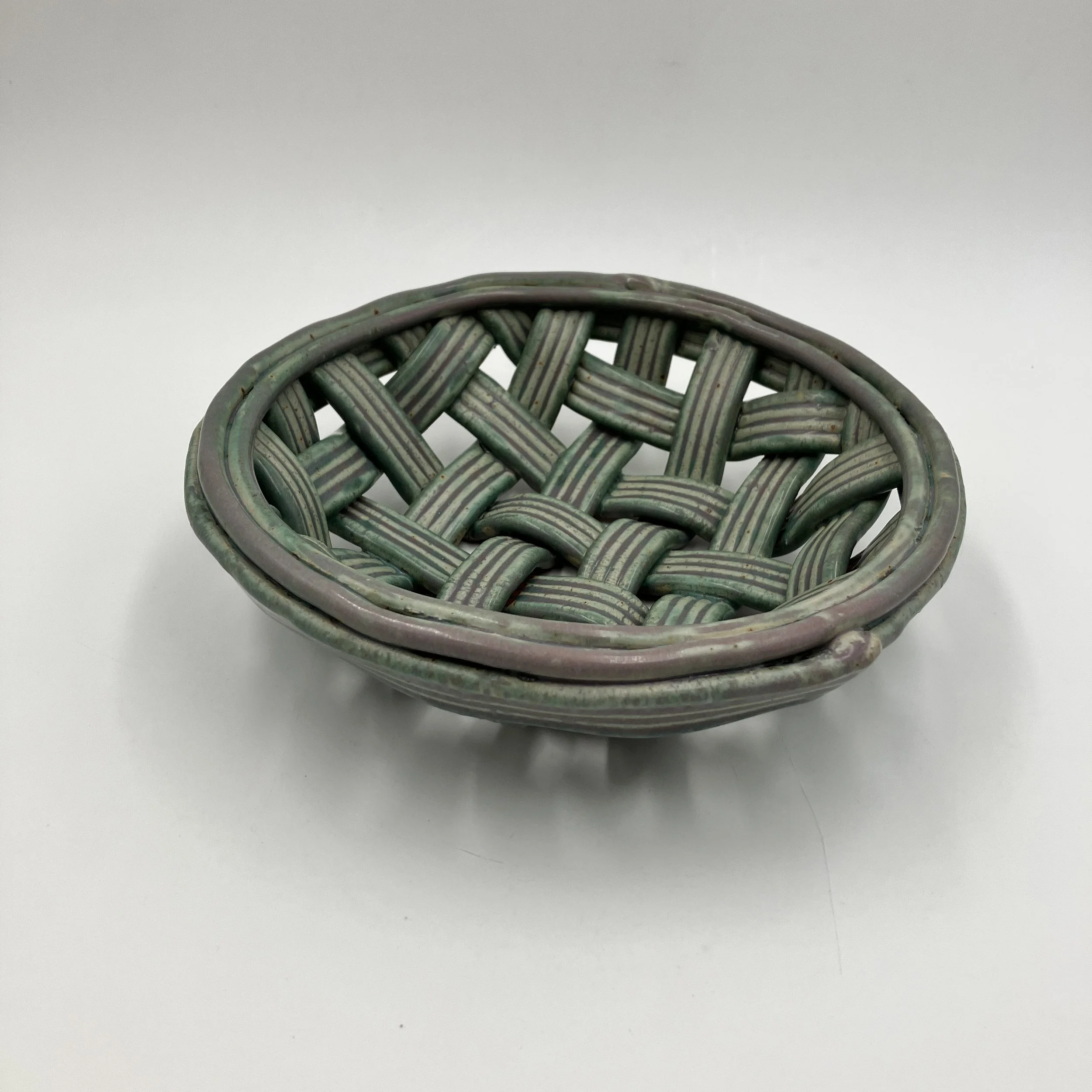
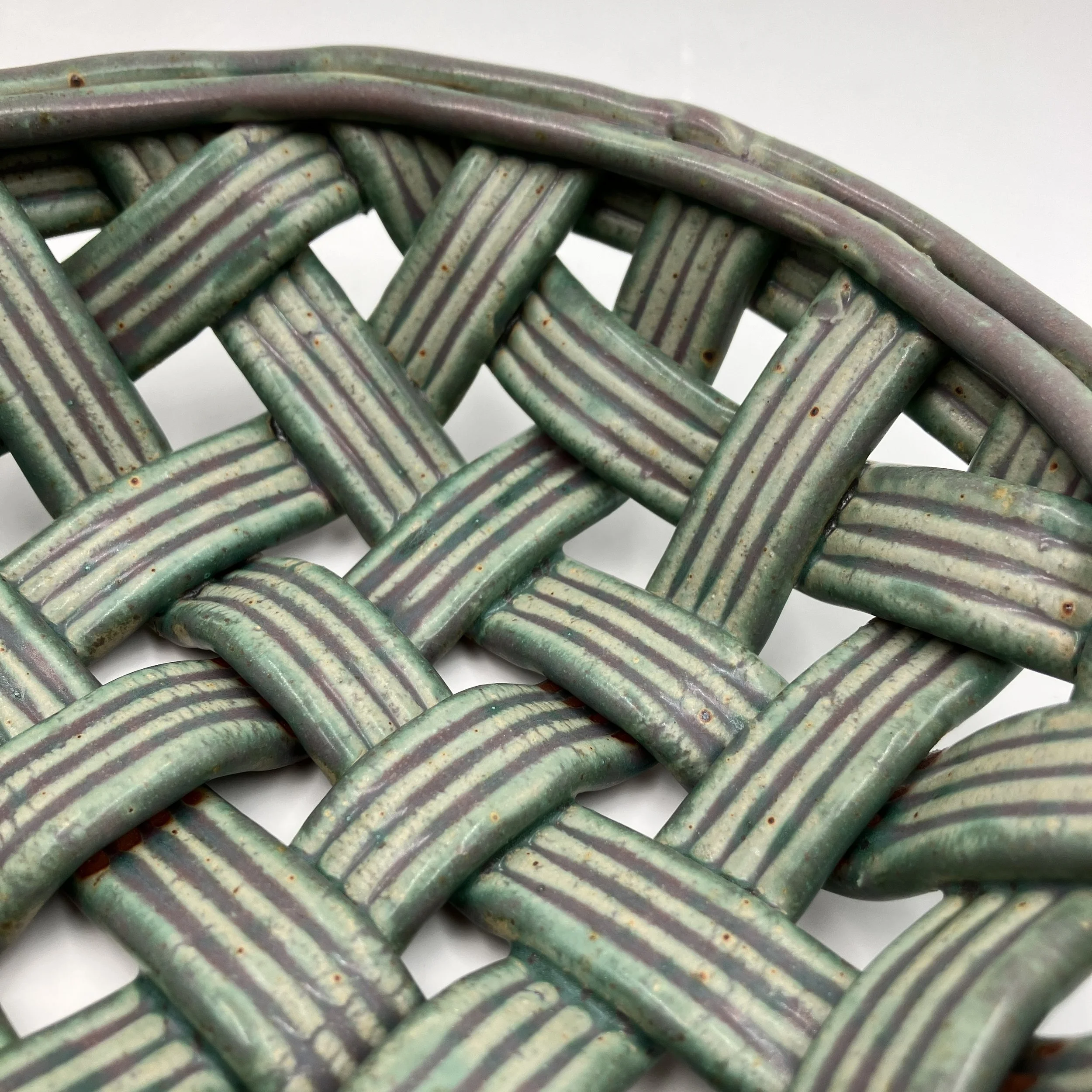
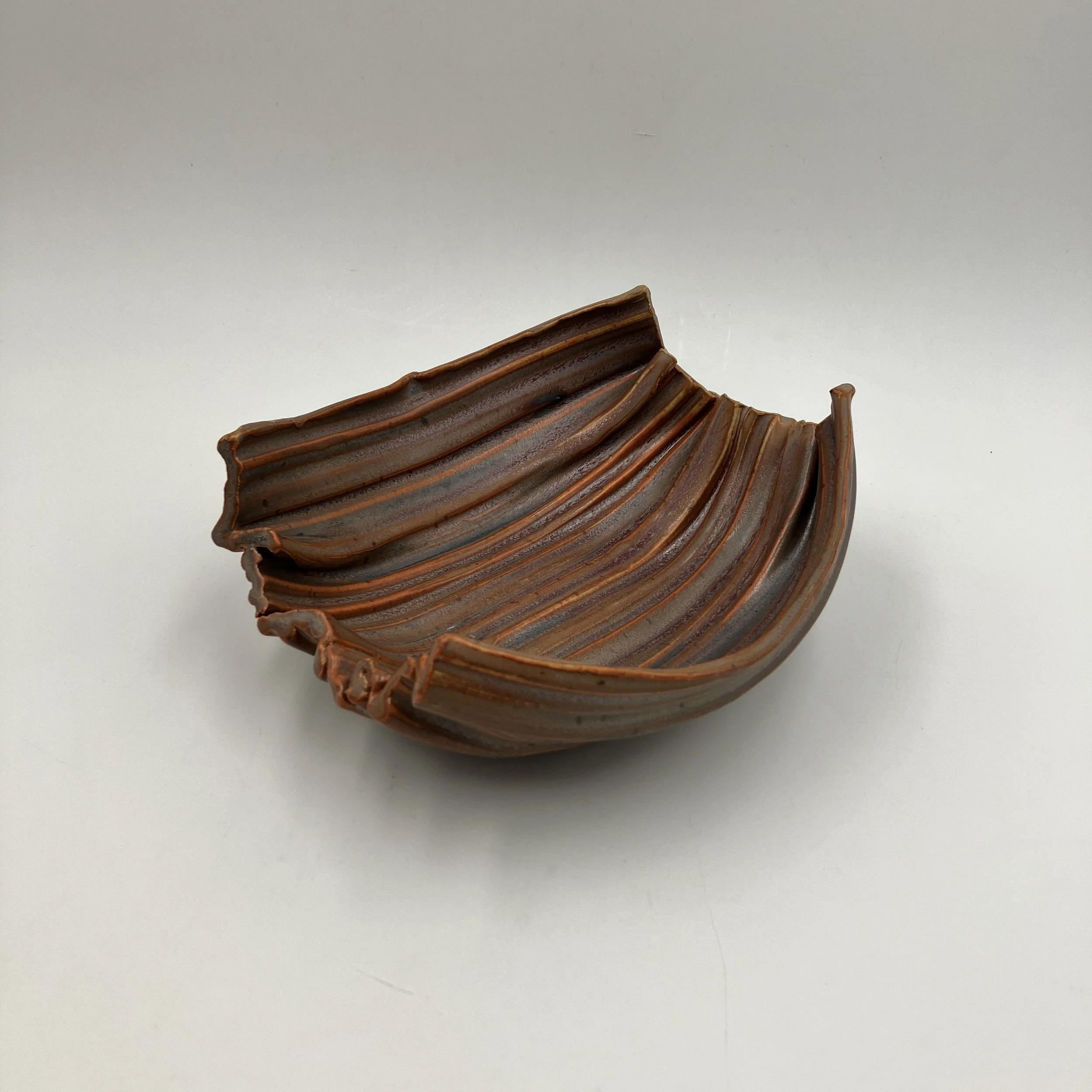
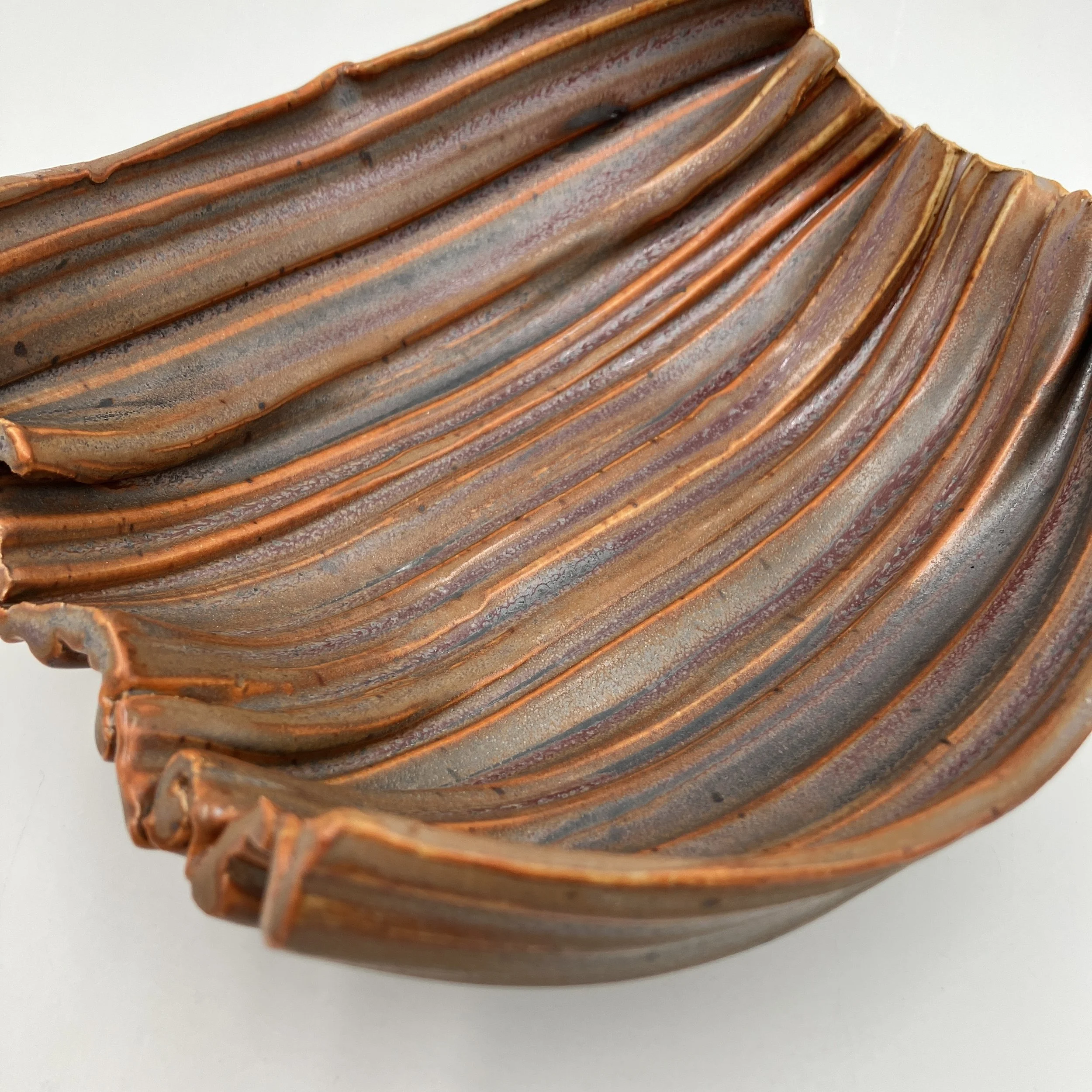
Q: How did you get your start with handbuilding? What drew you to clay in the first place?
“I first started with clay in Korea when I was in my 30s, and at that time, it wasn’t that popular. My classes were at a more general cultural center, so there was really nothing. They only offered handbuilding, so that’s what I took - it was the only thing that worked for my schedule as a young mom. So trying clay was kind of an accident, and I just fell in love with it. After two classes there, I moved to Canada the following year. I took classes at a university there, and you had to take handbuilding before you could take wheel-throwing classes.
“I have always enjoyed creating things with my hands. For me, the wheel is like one of many clay tools. A really powerful clay tool, but just a tool. Separating handbuilding and wheel-throwing doesn’t make any sense to me.”
Q: What makes handbuilding special for you?
“Even though I love wheel-throwing, coil-building creates a really intimate relationship between me and the clay, so there’s nothing between us. I put my intention into the clay, and the clay responds to me, and I respond to its response. We build a relationship, and I really enjoy the quiet moment.”
The reason I like clay a lot as a medium is that it’s totally open until it’s bone dry. You can always change your mind and come back and change it.
Q: Could you share more about your journey to becoming a teacher of handbuilding, and why that's meaningful for you?
“For me, I don’t have a background in art or education at all. It was my once-a-week hobby for years. So to get a teaching job meant so much, it was such a validation of me being a potter. And teaching handbuilding is different. Because people think handbuilding is child’s play, or for people who can’t throw - that’s not true! For me, I’m not aiming to create perfect work. I want the piece to show the process, the touches of the maker. To me, the handbuilt pieces contain those, and you can tell more detailed stories with handbuilding. So I want to share that joy with students, and sharing these experiences with others is why teaching handbuilding is so important to me.”
Q: What is one important thing you've learned from wheel-throwing? What is one important thing you've learned from handbuilding?
“Throwing on the wheel has taught me that if you cannot get centered, you cannot go where you want. Handbuilding, and working with clay in general, has shown me that you have more time to fix your failures than you think. There’s always a second chance. In life, as in clay.”
Q: What advice would you give to someone working with the extruder for the first time?
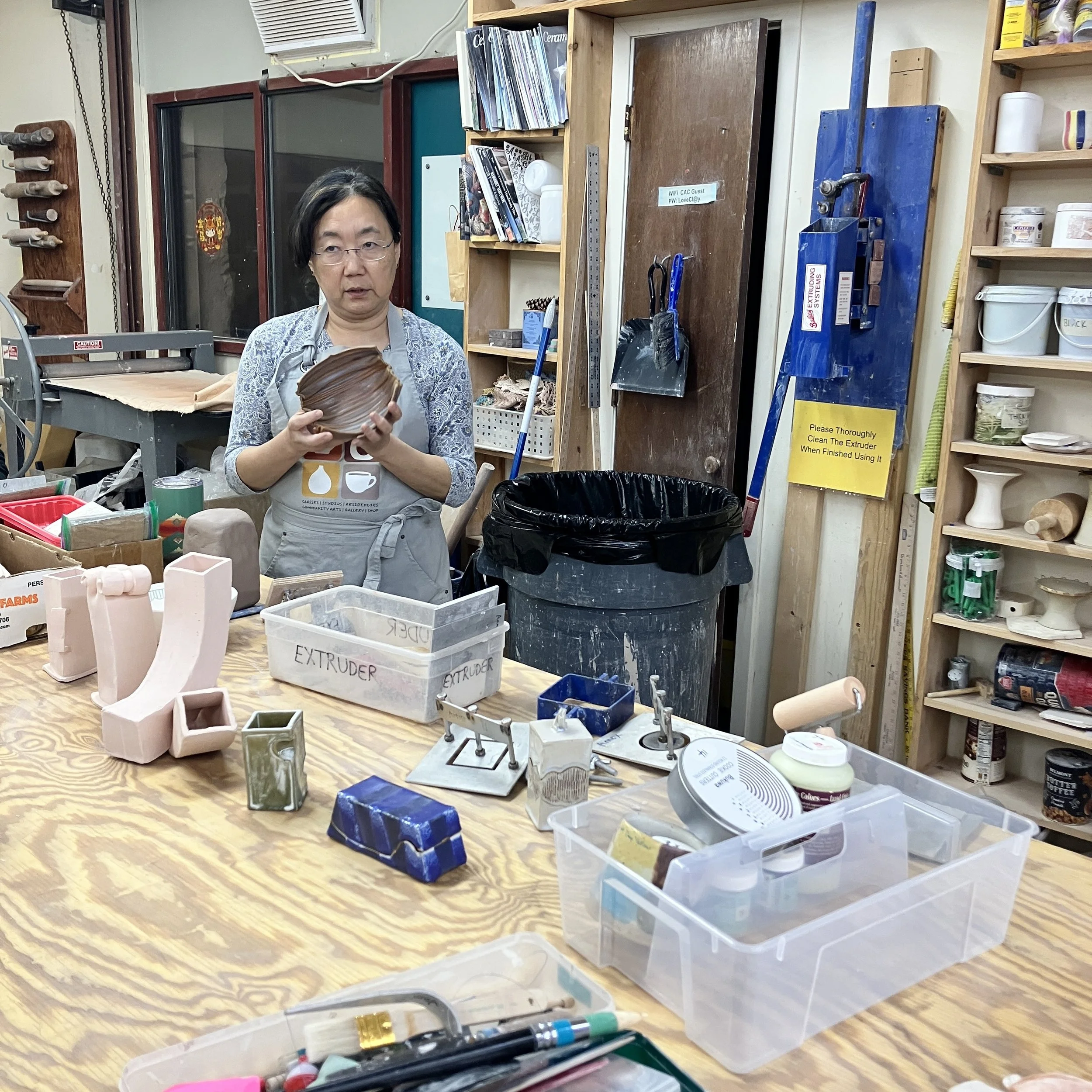
“My favorite tip for the extruder comes from Bob Miranti. People are always afraid of losing what they’re working on, but the extruder allows you to make a lot of the same shape, so you can experiment with a light heart.”
Q: Do you have a next big handbuilding project on the horizon?
“I want to coil-build some big Korean moon jars for woodfiring. In one of my first classes in Korea, I coil-built a large serving bowl, which my friend named the hug bowl, because it is a good size to hug. I always like to build big centerpiece bowls that contain a lot to share and suggest offerings, and Korean moon jars have that feeling.”