
"Transforming tragedy into triumph": Bobby Scroggins on Black History Month
Artist Bobby Scroggins reflected on his clay journey and the importance of cultural heroes.
In honor of Black History Month, Clay Art Center is featuring Kentucky-based artist Bobby Scroggins, a multi-disciplinary artist who has served as Professor of Ceramics and Sculpture at The University of Kentucky since 1990. Born and raised in Kansas City, Missouri, Scroggins first experienced clay the way many of us do: in a second grade classroom. As his teacher passed out balls of clay with the instruction to sculpt their favorite animals, Scroggins was thrilled, calling the moment “love at first touch”. Throughout his teens, Scroggins developed both his love of clay and his skills, going on to study at the Kansas City Art Institute, where he received a BFA. He then earned an MFA in the field of sculpture from Southern Illinois University at Edwardsville in 1980, where he was a University and Ford Foundation Fellow. Below, Scroggins shares more about what clay has meant to him, from those first moments in second grade, and the many lessons he’s learned along the way.
One of the most important lessons Scroggins has learned from clay came early in his life; just weeks before his fourteenth birthday, Scroggins suffered a devastating head injury that necessitated brain surgery and left him hospitalized on and off for months. During this time, he was plagued with debilitating pain and side effects, including the loss of strength in his hands. His mother, remembering how he had enjoyed that project in second grade, brought Scroggins small amounts of clay for him to work with while he was in the hospital. At first just a tool to pass the time, manipulating the clay soon helped Scroggins regain strength in his hands, and his recovery accelerated. “It was as if all of the previous misfortune and pain were a part of this amazing story of recovery,” Scroggins shared, “From then on, I associated the act of creating art with healing and restoration, and I have been creating with clay ever since. In retrospect, this was my first and most important lesson in transforming tragedy into triumph.” As Scroggins likes to observe, one could say that his art career began in a hospital bed, and his appreciation for its transformative, restorative powers has never waned.
“To make a long story short, that clay was like ‘The balm of Gilead’ - an instrument of providence and healing.” - Bobby Scroggins
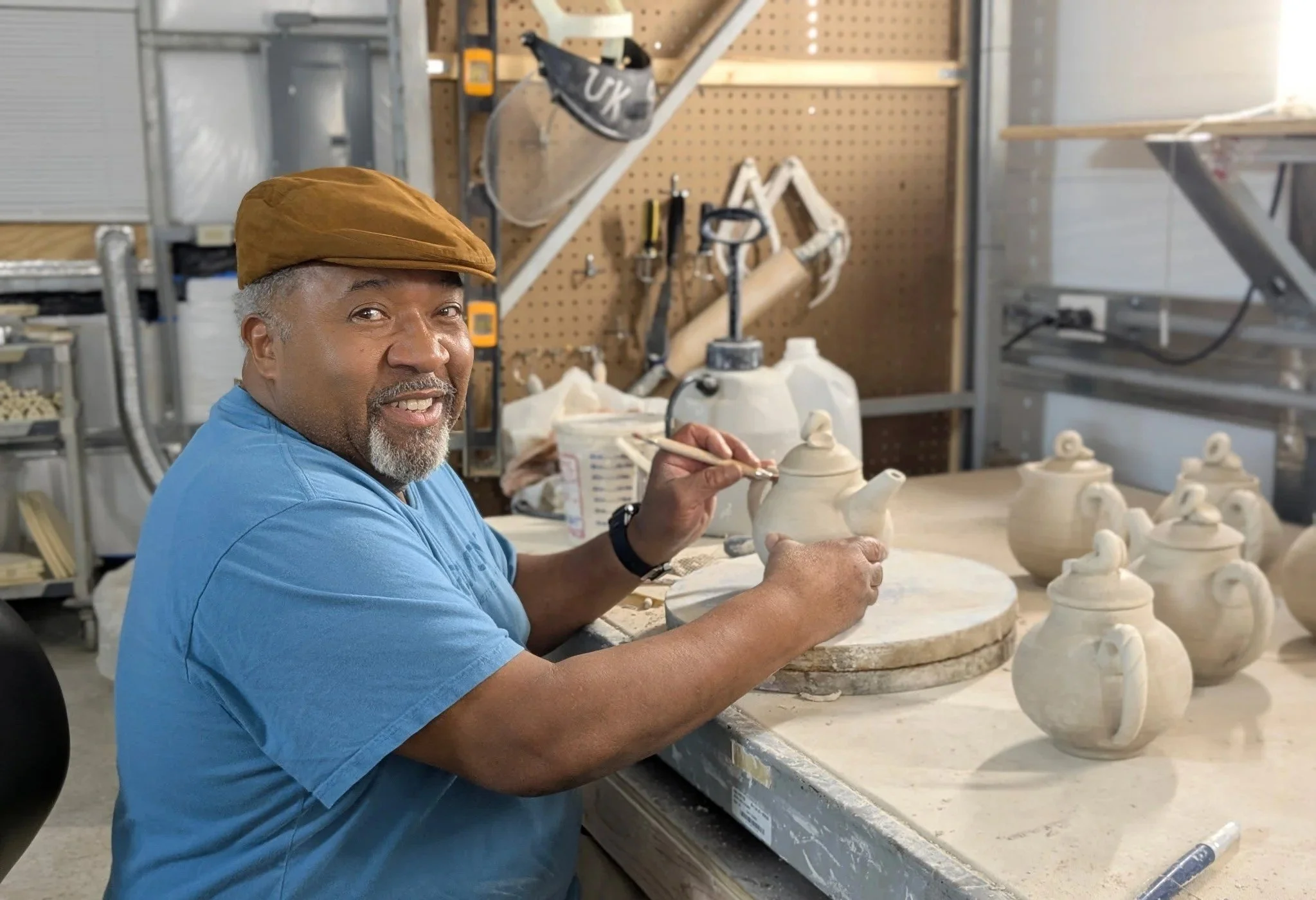
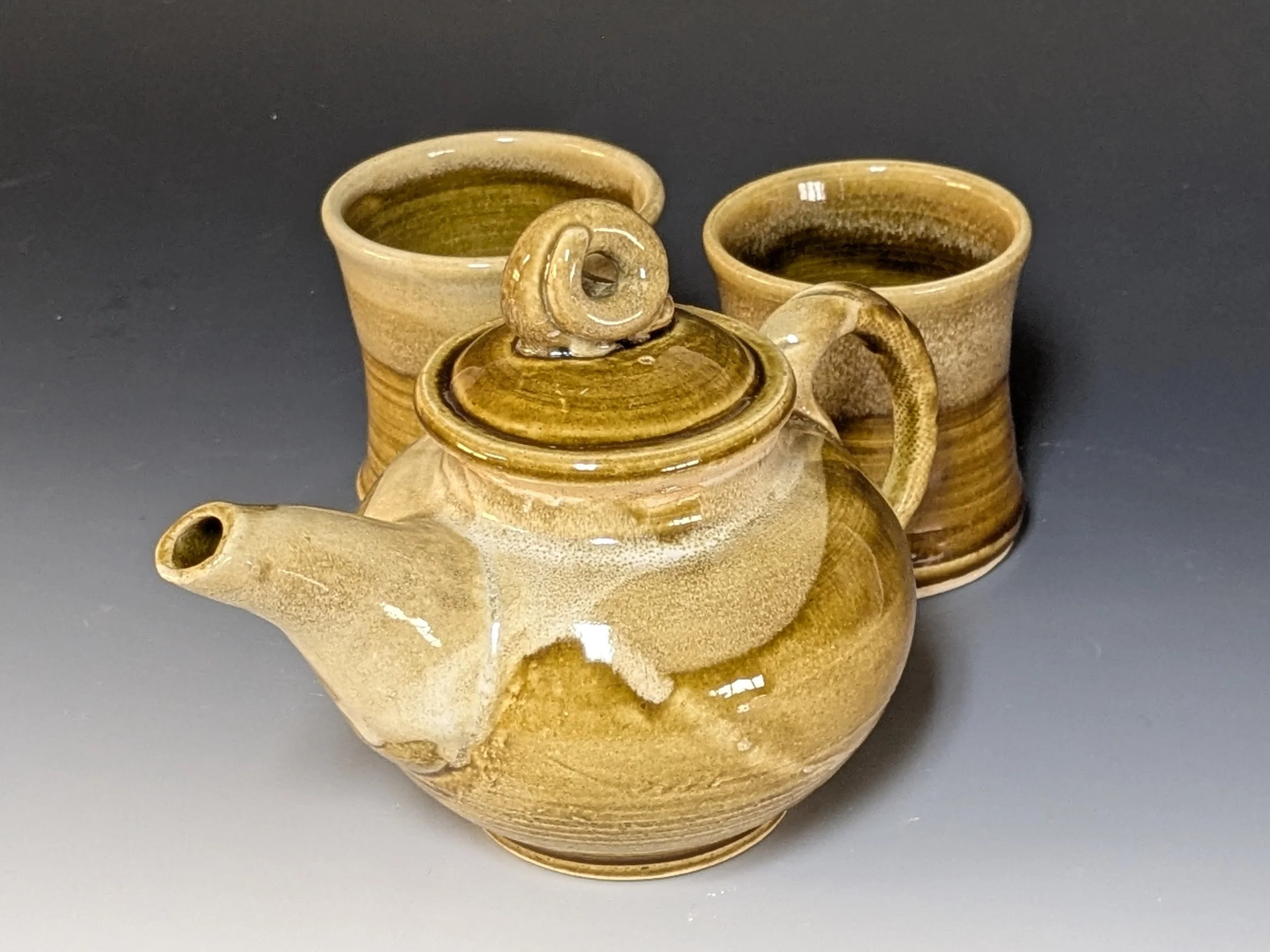
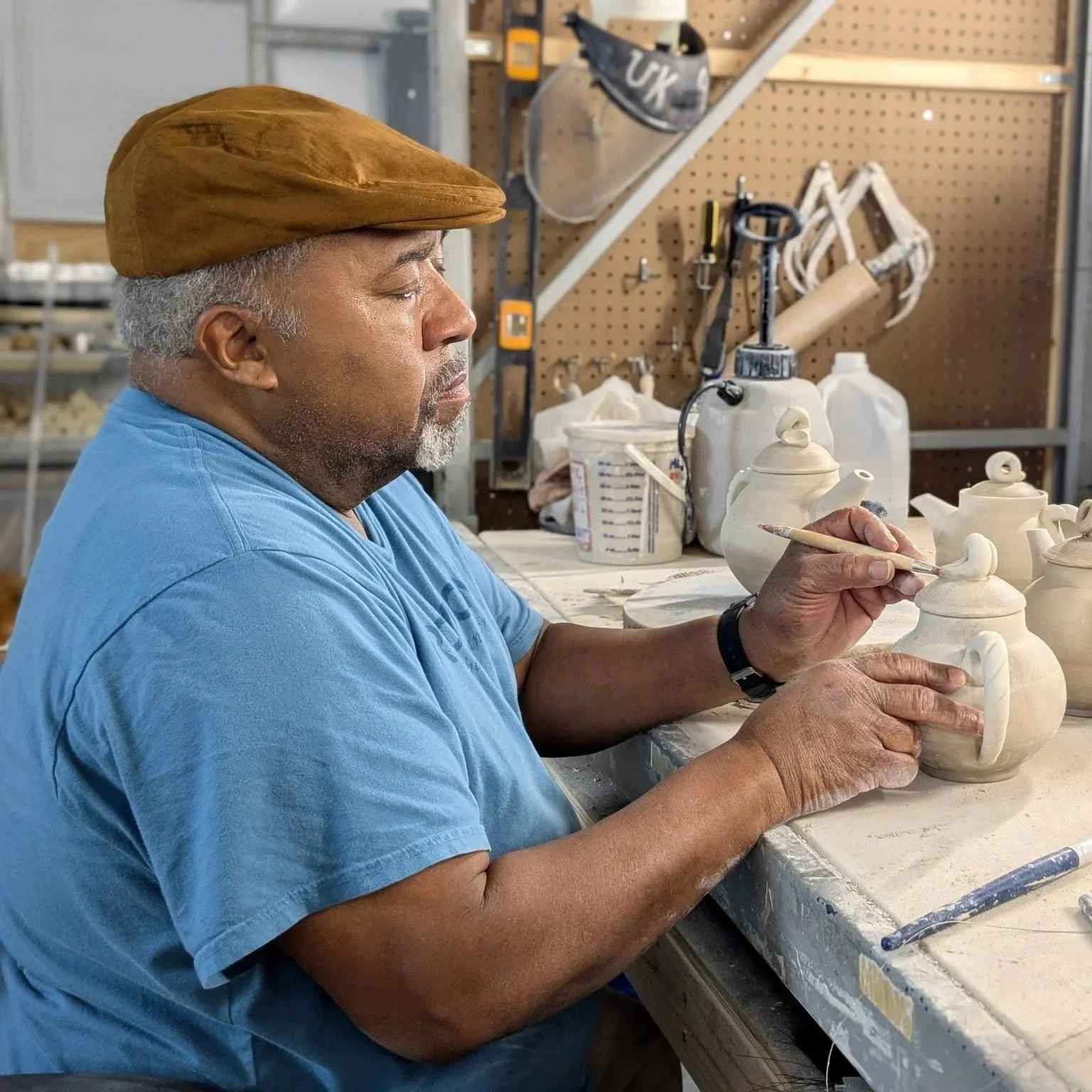
When asked to reflect on his work and the significance of Black History Month, Scroggins noted that one month is not long enough to honor the heroism, struggles, and accomplishments of Black men and women of the past. Scroggins also pointed out that highlighting their stories is crucial for giving future generations heroes to look up to: “During my formative years as an art student, I was always looking for African American creative role models to study and possibly emulate. While I could look to those who had made amazing contributions in the fields of music, literature, theater, and athletics, only a scant few visual artists were given the mainstream recognition and exposure that they deserved. This left me with some severe cultural disadvantages. Heroes play important roles in the lives of young people. Such pioneers clear pathways and set examples for future generations to follow. I was blessed to have great local mentors and supporters who provided encouragement and guidance, but I couldn’t go to a library and check out books written about Black potters or sculptors.” One of those mentors was Scroggins’ sculpture professor Dale Eldred, who - in addition to guiding his studies - brought Scroggins to Chicago to work with the renowned sculptor Richard Hunt in his studio. Hunt is regarded as the foremost Black abstract sculptor and artist of public sculpture of the 20th century, and the visit to his studio had an indelible impact on Scroggins and his career. Even so, Scroggins wondered about other artists whom he might never have heard of, who worked in relative obscurity. “What impact they could have made in my development had I been aware of their work then?” Scroggins said, “So, since I have built a career in the field, my focus as an artist is more about making Black art history and clearing paths for future generations of young creators of all backgrounds.” In addition to bringing Black art history to the forefront in his classrooms, Scroggins also brings Black history to life in his sculpture.
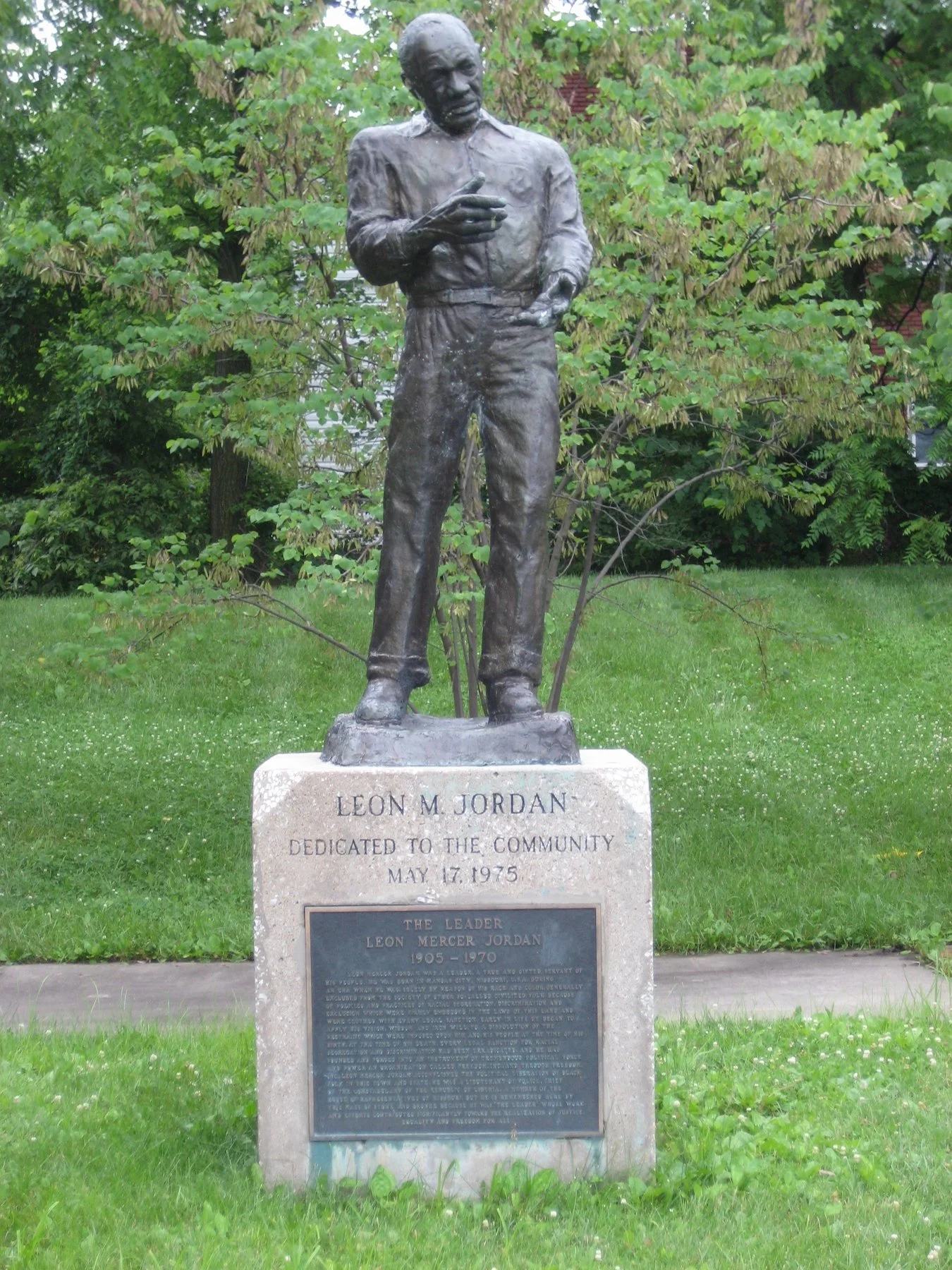
Image of the Leon M. Jordan Monument courtesy of Bobby Scroggins.
Scroggins’ first commission for a public sculpture came in 1975, when he was a junior studying sculpture at the Kansas City Art Institute. He created a seven foot tall, 700 pound cast bronze statue of Leon M. Jordan for a memorial park in Missouri. The park and statue honors Jordan’s legacy as a Kansas City police officer, politician, Civil Rights leader, and co-founder of Freedom Inc., an organization that promoted Black political activism in the city by organizing voter registration drives, supporting Black political candidates, and pushing for the desegregation of public facilities. Jordan was assassinated in 1970, and his loss was deeply felt by the city, leading to his memorialization. The statue is believed to be the first public monument dedicated to a Black leader in the state of Missouri, and Scroggins was the first Black artist to design and construct a public monument in the state as well - and it almost didn’t happen. “What is not known by many is that I first proposed the project in 1972, just months after graduating from high school,” Scroggins shared. This first proposal was rejected, but Scroggins persevered. Today, in recollecting the project, Scroggins noted that the lessons he learned while completing the monument - lessons that went far beyond the technically complicated nature of the process - are some of his most valuable. He passes the four principles of faith, passion, patience, and persistence on to new ceramicists:
Faith: “You have to believe it before you can see it. The Jordan Monument existed in my mind long before it became a reality. Although I had no previous experience or tutelage in that area, I had an uncommonly strong belief in my abilities. I created a clear vision of a finished product and worked toward making it a reality on a daily basis. Although this project was way over my head, I convinced myself that I was up to the task, regardless of the obstacles or disadvantages. In other words, I didn’t know it couldn’t be done, so I did it.”
Passion: “The discovery of your passion is a true blessing. However, passion must be fed, or it can fade away. But how can you identify your passion? For me, I knew that I would create art regardless of how much money was to be made. Passion is a form of wealth, but it is not always transactional. I knew that I had already been paid with the abilities I discovered during my recovery years. After the Jordan Monument project was completed and all bills and taxes were paid, it turned out that my monetary earnings were far less than a minimum wage. But the skills and lessons learned are still paying dividends to this day.”
Patience and Persistence: “When I initially proposed this project, city officials were impressed and amused with the models I presented, but had no confidence that a seventeen-year old boy from “the hood” had the ability or resources to take on a task of this size… and they were right at that time. But they couldn’t know that the idea seed had already been planted in my mind. From that point, I patiently prepared myself by creating challenging sculpture projects. The lessons in persistence came when I re-submitted the proposal after being rejected years before. No one would have blamed me if I had just cut my losses and moved on after the first try. But, a few years later I was able to convince them that I was up to the task. Getting the commission proved to be a smaller part of the lessons than what were to come. I found myself in uncharted territory. I experienced numerous devastating setbacks and unexpected difficulties during the construction phase. But every stumbling block became a learning opportunity. The stress was great, but my determination was greater. I completed the project and history was made. This level of commitment cannot exist without passion and persistence.”
“So, to the upstart potter, sculptor, or anyone else, your passion might lead you down a ‘Road less travelled’. That passion might be uncommon where you live. You might have to pursue it without the moral support or approval of others, but it is your gift to nurture and develop. It is a spiritual investment in yourself that can pay off in many ways if you continue to feed it.” - Bobby Scroggins